
- Home
 A drier risk landscape – is UK insurance keeping pace with drought?
 The Big Question: Why has UK broker M&A slowed – and what can UKGI expect next from acquisition activity?
 Insurance Times cements new Pet Pledge partnership with Peia
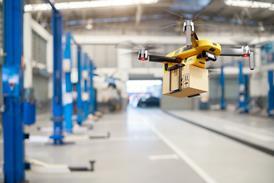 Drones set to deliver net risk benefits – but sky-high human error claims costs must be mitigated
- News
- Analysis
- Destination Insurance
- Brokers
- Insurers
- Ratings
- Research
- Fraud Charter
- Topics
- Events
- Expert Views
- Edition




















Spotting the gap
You need to register to continue reading the rest of this article and more for free.
(If you’re already registered, please sign in here.)
REGISTER NOW FOR FREE
We’re glad you’ve chosen Insurance Times as your source for industry news and hope you’ve been enjoying reading articles from our award-winning team of journalists.
Gain access to more of our exclusive, breaking stories, interviews and news analysis as it happens. Registering is quick, easy, free, and will also have the additional benefits:
- Uncover Secrets: Dive deep with exclusive annual reports, fueled by expert insights.
- News That Matters: Award-winning coverage & analysis, delivered to your inbox.
- Stay Ahead, Your Way: Daily or weekly - choose your news rhythm.
- Own Your Learning: Curate your knowledge with a personalized library.
Stay on top of the insurance game with our subscription! Get unlimited access to over 80,000 articles, in-depth analysis, exclusive reports by industry experts, and our Five-Star rating system to compare companies and find the best fit for your business needs - view subscription options.


Part of the Insurance and Risk group of Newsquest Specialist Media



Published by Newsquest Media Group Limited,
registered in England & Wales with number 01676637
at The Echo Building, 18 Albert Road, Bournemouth,
England, BH1 1BZ - a USA Today company
registered in England & Wales with number 01676637
at The Echo Building, 18 Albert Road, Bournemouth,
England, BH1 1BZ - a USA Today company
Site powered by Webvision Cloud