






















‘The market is struggling to get a foothold’ on pricing and needs ‘some pretty chunky price increases’ to offset claims inflation, says chief executive
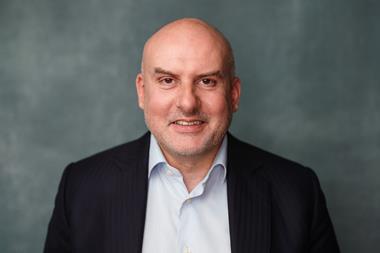
Sabre Insurance Group achieved a 15.7% increase in gross written premium (GWP) for the first half of 2026 as chief executive Geoff Carter warned that motor insurers still require “some pretty chunky price increases” to keep up with the pace of claims inflation.

The insurer reported gross written premium of £116m for the six months ended 30 June 2026, up from £100.3m in the same period last year, while reaffirming guidance for a full-year profit slightly ahead of 2025.
Profit before tax fell from £25.5m to £23.9m year-on-year and profit after tax declined from £18.9m to £17.9m. The non-standard motor specialist’s combined operating ratio (COR) also increased from 82.6% to 85.6%, although Carter said he expected this figure to fall back to last year’s levels at year end.
He added that the movement was largely driven by timing effects associated with strong premium growth rather than underlying underwriting deterioration.
“We’re pretty confident on that,” he noted, adding that margins should move back towards the insurer’s target range as written premium earns through during the second half of the year.
In its half-year results statement, Sabre said it had continued to write business at target margins while fully covering claims inflation, despite what it described as a relatively soft market during the first six months of the year.
Speaking to Insurance Times this morning (4 August), Carter said Sabre’s results had been achieved despite market-wide challenges in pushing through premium increases.
He explained: “The market is struggling to get a foothold [on pricing]. Everyone’s trying to increase prices and anyone you talk to at any of the insurance conferences is talking about the need for price increases. But that’s not been happening consistently and the market is struggling to make the prices stick.”
Carter said Sabre continued to assume claims inflation of around 6% to 7% this year and agreed with wider industry analysis that indicated further rate action would be needed down the line. In July, Ernst and Young (EY) published a forecast for the UK motor insurance market that predicted policyholders would face premium increases of 16% over the next two years.
Carter said: “We would concur with the EY analysis that says the market needs about 15% [of rate] by the end of next year. Some pretty chunky price increases [are] needed.”
The chief executive added that current geopolitical conflicts, like the continuing war in Iran and related closure of the Strait of Hormuz, had not yet had a material effect on claims costs in the UK, but he identified care expenses as a potential source of future inflation due to labour shortages and pressure for higher wages in the sector.
Technology investment
Alongside its growth ambitions, Carter said Sabre was continuing to invest in pricing, analytics and data capabilities, including expanding its actuarial resources and assessing new external data sources.
Read: How scale, strategy and a ‘barbell approach’ to underwriting is keeping Sabre so profitable
Read: Motor insurance payouts hit record £3.2bn in second quarter
Explore more financial-related content here, or discover other news content here
Across the first half of 2026, the business invested £3.7m in IT expenses and the firm intends to continue spending on its data capabilities.
Carter also highlighted artificial intelligence (AI) as a major opportunity for the insurer, particularly in relation to data analysis, pricing and operational efficiency.
“The other bit we’re really excited by is the use of AI,” Carter said. “The speed of data analysis is going to get so much quicker going forward and so much richer.”
According to Carter, AI could help Sabre grow without increasing headcount at the same rate as premium growth by automating routine tasks and allowing employees to focus on higher-value activities.
He also stressed that the technology would support existing staff to become more efficient, rather than leading to job cuts.
“We’re absolutely not looking at losing staff,” Carter said. “We’ve got great people who are well trained and add a huge amount of value to us. If we can take out some of the less value adding bits of their jobs, then fantastic. We can focus more on the clever stuff.”
He added that insurers must remain alert to the risks associated with AI adoption, including cyber threats, falsified evidence used in claims and the potential leakage of customer data or intellectual property.
“We are very vigilant about the increased risk of a cyber event coming through,” Carter said. “We need to control the tests we’re doing, so we don’t leak either customer data or our IP.”
“AI is going to be a really helpful thing for us as a business,” he added. “It gives us more tools.”


























No comments yet