
















Withheld and spoofed numbers are creating vulnerabilities in insurers’ phone channels
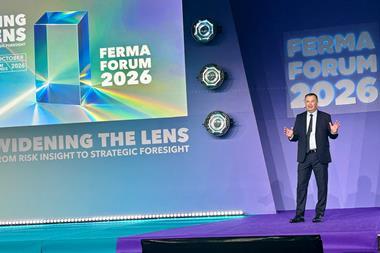
Insurers are experiencing more fraud in their telephone channels compared with banks, according to analysis presented at the Insurance Fraud Investigators Group (IFIG) conference on 1 October 2026.
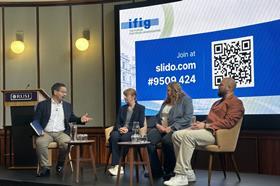
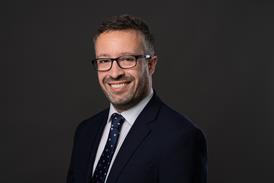
Speaking during a panel session on emerging fraud risks, Tim Burton, chief product and success officer at Smartnumbers, said the finding came after the firm analysed and “fingerprinted” calls made to insurers alongside those received by banks.
“When we started to work with insurance businesses, our assumption was there is no sector that’s going to have a higher fraud attack rate than a bank,” Burton said.
However, the analysis revealed a significantly higher volume of withheld numbers in insurance, as well as a fraud density rate 3.5 times greater than that seen in banking.
Burton contrasted the findings with banks’ extensive investment in digital fraud controls, including behavioural biometrics, device fingerprinting, mobile app binding and strong customer authentication.
“They’re still seeing less fraud in the channel,” he added.
The analysis also identified common voices and telephone numbers appearing across multiple organisations, with particular evidence of fraud linked to low-value policies sold through ghost brokers.
Synthetic identity risk
Panellists warned that telephone fraud is increasingly being used as part of wider organised criminal activity, with insurance products exploited to help create synthetic identities before fraudsters target financial institutions.
Read: How Covéa is collaborating to ‘starve ghost brokers of their customers’
Read: QuestGates launches dedicated counter fraud service for insurance firms
Explore more fraud-related articles here, or discover more news content here
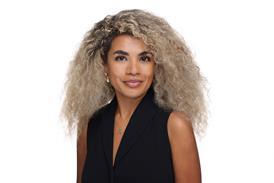
Mandy Hobbs, claims fraud manager at Vitality and an IFIG director, explained that criminals can combine legitimate and fabricated information to obtain proof of insurance.
“They’ve got a certificate of insurance. They take that off and they get bank accounts, so it’s just a stepping stone,” she said.
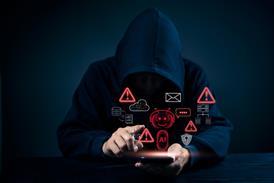
Burton also cautioned insurers against relying too heavily on telephone numbers as proof of identity, particularly as spoofing becomes more prevalent. He said the proportion of spoofed calls had risen from an estimated 0.01% to around 7%, based on Smartnumbers’ analysis.
The panel further warned that artificial intelligence could exacerbate the threat by enabling criminals to automate conversations at scale, removing the human limitations on the number of calls they can make.

With a background in local journalism, she has previously worked as a freelance reporter covering community stories and gaining valuable on the ground experience.View full Profile





















No comments yet