














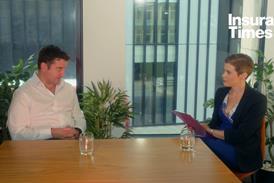

‘We identified an increase in first party misrepresentation – people playing around with their risk criteria application stage to try and reduce the premiums – which is an indicator that perhaps the cost of living crisis is now hitting,’ says head of counter fraud
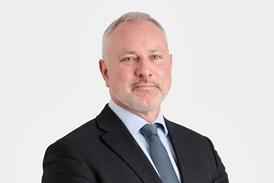
Fabricated insurance incidents have overtaken ghost broking as the Insurance Fraud Enforcement Department’s (Ifed) biggest current fraud threat, according to detective inspector Christopher O’Donovan.

Counter fraud experts that attended the latest Insurance Times Fraud Charter roundtable – held on 25 June 2026 and sponsored by law firm Carpenters Group – highlighted that this switch indicated the increasing impact of cost of living pressures on fraud rates, as more consumers are tempted into fabricating claims and misrepresenting information.
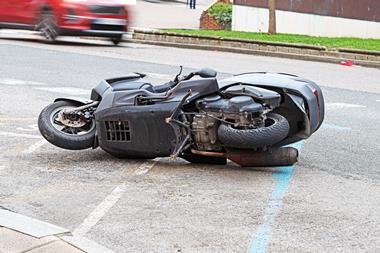
With Ifed currently running 291 live investigations, O’Donovan told delegates that 39 out of 46 of its accepted cases in the last quarter were from the motor industry, with the majority of its cases coming as fabricated incidents.
This was followed by ghost broking – an insurance scam where fraudsters sell fake or invalid policies – use of fraudulent articles and instruments such as counterfeit documents, pre-inception loss – when a customer makes a claim for an incident occurring before the policy was taken out – and, finally, staged incidents.
Also observing this trend, Clare Lunn, head of counter fraud at Markerstudy, noted that the firm saw a “rise in exaggerated loss and fabricated losses” in 2025.
She continued: “We identified an increase in first party misrepresentation – people playing around with their risk criteria at application stage to try and reduce the premiums – which is an indicator that perhaps the cost of living crisis is now hitting.
“And we also saw an increase last year in pre-inception loss on home and pet so, again, this might indicate cost of living pressures as consumers are choosing not to purchase that insurance until something goes wrong and then they backtrack and take out the policy.”
Rising claims values
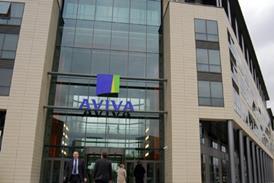
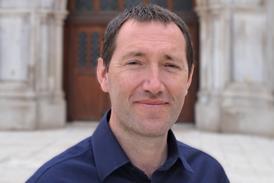
Simon Mattless, counter fraud lead at Aviva also attended the Fraud Charter roundtable and noted that the increase in value “outstripped the volume increase this year” in fraudulent claims.
Read: Insurance fraud exemplifies the ‘good and bad uses of AI’
Explore more Fraud Charter-related content here, or discover other news analysis stories here
“Especially when you look at home, the value of those items are now increasing and what we are finding more going forward is that’s now driving up that cost even further,” he continued.
“So those savings amounts that you get at the end of the year that we all put into the industry, they’re growing on the basis that people can make more money out of this as well because those items are more expensive. You look at phones and electrical items now, [the price of] some of them have skyrocketed.”
Laurence Besemer, chief executive at Forum of Insurance Lawyers (Foil), also added that it is “in these times when people are financially struggling” that they “are more likely to be suckered into [deals] that look too good to be true”.
He explained: “Customers are going to be more tempted to try to save money somewhere with methods such as exaggerating or fabricating a claim and that therefore creates a circular model of those that perpetrate fraud by putting forward things that really are too good to be true which also suckers innocent individuals.”

She joined the title after completing a Master's degree in Journalism in 2025, having previously graduated with a degree in English Literature.View full Profile






















No comments yet