


















The industry is starting to see ’the emergence of omnichannel’ where fraudsters are playing the fraud vulnerabilities of digital and non-digital channels off each other, says director
Insurers automating phone-based customer journeys risk increasing fraud exposure and “automating vulnerabilities at a scale”.

That was according to Tim Burton, chief product and success officer at Smartnumbers, who noted that “non-digital channels where automation exists are typically the most vulnerable”.
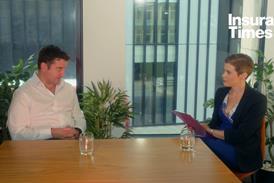
Burton was speaking during the recent Insurance Times webinar entitled The Fraud Frontline: Unmasking, understanding and uprooting application fraud, which was held in association with Smartnumbers.
While insurers have invested heavily in interactive voice response (IVR) systems to reduce the cost of agents and call handlers, Burton explained that this “automation has been layered on a channel that has no means to authenticate a phone call”.
He said that “organisations are placing the same servicing risk exposure in that channel as they strive for an automated experience for callers as they do in, for example, a mobile app or an internet banking or a browser experience”.
In motor insurance, Burton said that information passed from brokers over the phone can lead to a “lack of ability to corroborate that information” which means “ghost brokers are starting to spike more”.
He continued: “The one piece of advice I would say is that you can invest [as much] money [as] you can in one channel on controls, but if you leave the back door open they’re just going to walk around the side and come in that way. You’ll wonder why you spent all this money because you’ve still left the gap.”
Matt Gilham, director at Whitelk Fraud Performance Consulting, told delegates that the industry is starting to see “the emergence of omnichannel”, where fraudsters are playing the fraud vulnerabilities of digital and non-digital channels off each other.
For example, the anonymity of digital channels affords the ability to “socially engineer a human”.
He continued: “They’re going to have fraudulent applicants starting off on price comparison websites and then drop it into the phone channel because they could then manipulate further.
“But what we did then see is the migration as insurers up the front door controls. [Fraudsters] set up a vanilla, innocent-looking policy and hammer [it] in mid-term adjustments (MTAs).”
Increased automation in customer authentication, he warned, can make it easier for fraudsters to make policy changes repeatedly through the telephony channel.
That’s where a common baseline across “those channels is super important when it comes to data and that understanding of who’s coming in your front door”, Burton added.
He said: “That push for automation is what people are seeing as a cost initiative, but what it’s really doing is automating vulnerabilities at a scale that you maybe don’t realise you have.”
Vulnerability change
Fellow panellist, Tiffany Steele, head of application fraud at Markerstudy, said that the insurer is seeing more of a trend that fraudsters are finding ways to “exploit customer care teams”.
Read: Fraud Charter Ghost Broker Focus – How are law firms striving to mitigate ghost broking?
Read: Fraud Charter Ghost Broker Focus – How proactive are insurers in tackling ghost broking?
Explore more fraud-related content here or discover more news here
She explained that this has become the next step if the fraudster “can’t bypass the front end quote controls or the application process”.
The phone channel means that fraudsters can speak to a different person every time they call, she said, which allows them to swap out information and “explain away inconsistencies”.
She continued: “That vulnerability [isn’t just in] the digital space – but [it’s in] internal spaces as well.
“It’s not just the fraud team anymore [that need to be involved in counter fraud], it’s different areas within the business at that first point to try and reduce the fraud that’s coming in.”

She joined the title after completing a Master's degree in Journalism in 2025, having previously graduated with a degree in English Literature.View full Profile
























No comments yet