



















As ghost broking has become a ‘game of whack-a-mole’, the insurer has stepped up collaboration with law enforcement and invested in efforts to make the public ‘harder to scam’
Participants in Insurance Times’ Fraud Charter – a roundtable series held in association with law firm Carpenters Group – are seeking to stamp out ghost broking in UK general insurance (UKGI). The Fraud Charter Ghost Broker Focus content series will highlight how Fraud Charter attendees are working to identify, eliminate and prevent ghost broking from different market subsectors. Sharing this knowledge and best practice work is an important way for the industry to collaborate against insurance fraud.
Covéa Insurance’s partnership with law enforcement and technology companies seeks to “starve ghost brokers of their customers by educating the public before criminals get the chance to exploit them”.
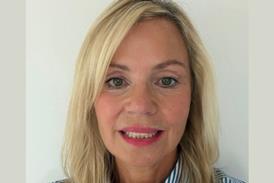
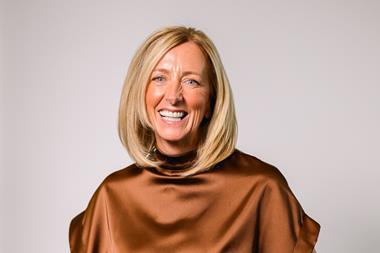
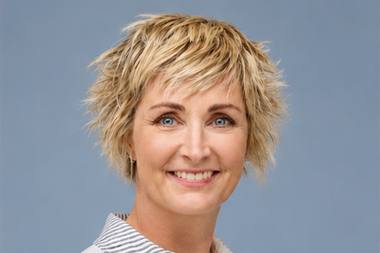
This is according to Fleur Lewis, head of financial crime and operational oversight at Covéa, who participates in Insurance Times’ quarterly Fraud Charter roundtable series, sponsored by law firm Carpenters Group.
Speaking exclusively to Insurance Times, Lewis said that “ghost broking has become a bit of a game of whack-a-mole”, in which “every time” one fraudster is disrupted “another emerges using a slightly different tactic, a different platform or a different audience”.
Believing that the industry cannot arrest its way out of the problem, Lewis explained that her firm’s cross-industry partnership looks to make ghost broking “less profitable” by focusing efforts on making the public “harder to scam”.
She said: “We brought together some of the strongest voices across including the insurance fraud enforcement department (Ifed), the insurance fraud bureau (Ifb), the ABI and Shift Technology.
“Each organisation holds a different piece of the puzzle. By bringing those perspectives together, we can create stronger messaging, better insight and a much more coordinated approach than any of us could achieve alone.”
With a focus on education and prevention, Lewis said that the initiative has developed “a suite of bespoke fraud education content designed to help consumers understand what ghost broking is, recognise the warning signs and know what steps they can take to protect themselves”.
It is primarily aimed at a target audience of 17 to 21-year-olds – a group most frequently targeted by ghost brokers – with education content consisting of online learning, face-to-face sessions, workshops, community engagement activities and interactive events.
“We’re also looking beyond traditional education methods,” she added.
“One of our planned initiatives is a schools challenge, inviting students to create their own ghost broking awareness campaigns. The winning school will receive a significant prize, while the content created by students will help us reach young audiences through authentic and relatable messaging. We believe young people are often best placed to influence and educate their peers.”
Growth phase
The initiative has been in development for some time, Lewis said, with much of the early work focused on understanding the problem, identifying those most at risk and designing an education programme that would “genuinely resonate”.
Read: Fraud Charter Ghost Broker Focus – How proactive are insurers in tackling ghost broking?
Read: Fraud Charter Ghost Broker Focus – How Biba is working to counteract illegal insurance firms
Explore more Fraud Charter related content here, or discover more news here
Before launching more broadly, she said that the insurer has “piloted elements of the approach locally to test its messaging, delivery methods and audience engagement”.
Lewis noted that the initiative is now moving into “an exciting growth phase” where the focus has shifted onto “broader delivery and outreach activity”.
This includes taking messaging directly into communities through face-to-face engagement, educational events, roadshows and pop-up activities “designed to reach young people and their families in places they naturally interact”, she explained.
“We’re no longer asking whether fraud education works, we’re focused on how we scale it,” she continued.
“The pilot gave us confidence, now it’s about reaching more people, in more places, through more innovative ways than ever before.”
With an ambition to build a sustainable programme that continually develops in accordance with emerging fraud trends, she said that a long-term objective is “to establish fraud education as a recurring part of the conversation within schools and colleges”.
She continued: “Every year a new group of young people begins driving, purchasing insurance and making financial decisions independently for the first time.
“That means the education challenge continually renews itself. We want to create an approach that schools see as valuable enough to revisit regularly, ensuring each new generation receives the same practical knowledge and tools to protect themselves.”
Inspiring talent
While success starts with reducing the number of people who become victims of ghost broking and fraud, Lewis eyes an opportunity to “inspire” young people at a “critical point in their lives” where they are considering their future careers.
She explained that one of her “personal ambitions” is to “develop a pathway for school leavers into fraud prevention, investigations, intelligence, analytics and the wider insurance industry”.
“I’d love to see a future where a young person attends one of our sessions, enters one of our ghost broking awareness competitions, becomes interested in the subject and eventually joins the industry as a fraud investigator or analyst,” she said.
“If that happens, we’ve achieved far more than awareness. We’ve created an opportunity and invested in the future.”

She joined the title after completing a Master's degree in Journalism in 2025, having previously graduated with a degree in English Literature.View full Profile



























No comments yet