









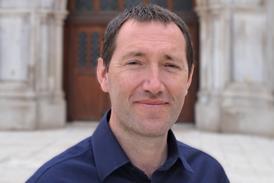















’Fraudsters are using AI in the same way that we are looking to use it within our organisations, such as for reconnaissance, target identification and research – the world of AI fraud is moving very quickly and is going to be a challenge for us,’ says director
The insurance counter fraud sector is on the frontline of a rapidly changing technological environment that presents both new risks and opportunities.

As it grapples with how to effectively deploy new artificial intelligence (AI) tools to support customer journeys and fraud identification, canny fraudsters are also taking advantage of the technology to intensify and automate criminal activity targeted at insurers.
Counter fraud experts that attended the most recent Insurance Times Fraud Charter roundtable – held on 18 March 2026 and sponsored by law firm Carpenters Group – highlighted that this environment was challenging to navigate, with the “good and bad uses of AI” becoming increasingly prominent.
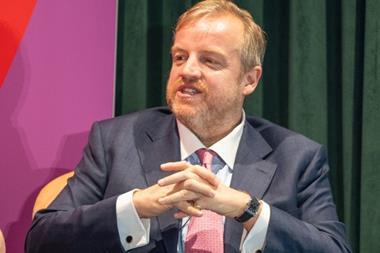
Matt Gilham, director at Whitelk Fraud Performance Consulting, explained: ”With AI, we’re moving into a very healthy tension between more straight through processing and fast assessment [for insurance claims] on one hand and fraudsters making more use of agentic AI on the other.
”Fraudsters are using AI in the same way that we are looking to use it within our organisations, such as for reconnaissance, target identification and research – the world of AI fraud is moving very quickly and is going to be a challenge for us.
“The question is do we wait to be attacked? Do we respond when we encounter these tactics? Or do we invest in keeping ahead?”
Fraud Charter attendees formed a consensus that the most effective strategy would be the latter option, with insurance sector investment in counter fraud capabilities necessary to keep pace with accelerating risks.
A lack of investment would, on the other hand, necessitate a slowdown in the processing of claims and the inception of insurance policies, they said. As more checks and balances would be required to assess the veracity and legitimacy of information, customer journeys would be delayed exactly at the moment in time when there is demand for faster resolution.
Gilham added: ”As we try to move faster, we have to reckon with the further weaponisation of AI by bad actors – meaning there’s this tension between speed and operational expenditure, indemnity control and fraud vulnerabilities.”
Maintaining speed
Despite recognising this tension between speed and fraud control, experts at the Fraud Charter noted that there were positive steps being made in squaring the circle.
Read: Ghost portals ‘fool every police officer’ as new fraud trend undermines frontline policing
Read: Deepfakes and AI-powered fraud techniques may put the brakes on sector digitalisation
Explore more Fraud Charter-related content here, or discover other news analysis stories here
Laura Horrocks, customer success manager at fraud focused technology supplier Shift Technology, explained: ”There are tools available to support straight through processing while still ensuring fraud controls are in place.
“And, the more data you’re able to put into your fraud detection solution, the better. If, for example, you can get an IP address from the customer’s device they use to present the claim, then that’s gold dust, because you can then match that to other claims that have been made and check for repeated activity.”
Simon Mattless, claims counter fraud lead at Aviva, added: ”AI will allow us to move to a space where we use the broadest width of scoring to automate validation steps, meaning the customer can keep progressing and we can keep the customer journey flowing fast while being safe.”
AI can absolutely assist insurers in the management of claims validation, but its use is not limited to information gathering.
Just as fraudsters are utilising the technology to identify targets, insurers can also use the technology to assist counter fraud staff in tackling more cases.
Victoria Wallace, head of fraud at Zego, added: ”If you look at any fraud team in any insurer or MGA, they are making sacrifices on cases that they just cannot get to, based on priorities.
“If we use AI and think about agents that can help us automate fraud investigations while making them faster, we can definitely do more. There’s definitely ways that we can use AI to be better at pretty much everything.”

With a particular interest in regulation, technology, innovation and political stories, he has covered issues from the multioccupancy buildings scandal to the insurance implications of quantum computing and the growth of new markets.View full Profile





























No comments yet