



















‘The frequency and the severity of claims’ in ‘a very litigious’ sector can be mitigated through ‘effective, proactive risk management’, says MGA’s head of legal and risk management
According to Market Research Future, the global aesthetics market – covering invasive procedures such as liposuction and breast augmentation, as well as non-invasive treatments like Botox injections and chemical peels – was valued at $2.5bn (£1.9bn) in 2024.
The intelligence firm predicted that this sector could enjoy a 6.71% compound annual growth rate over the next 10 years, with the marketplace’s value escalating to $5bn (£3.7bn) by 2035.

While clearly an increasingly lucrative market, the possible rewards are not without risks – private healthcare and aesthetics businesses should be keeping a close eye on the most common causes of complaints and claims in order to bolster professional resilience.
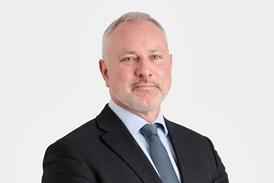
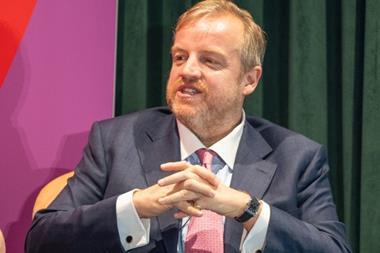
According to Will Marshall, head of legal and risk management at healthcare focused managing general agent (MGA) Altea – who previously worked as a partner at law firms such as DWF Law and Capsticks Solicitors – “one of the most common elements of a clinical negligence claim” is the “alleged failure to obtain informed consent”.
For him, this is “even more of a live issue” when it comes to elective, voluntary procedures – versus emergency treatments – because these are “more of a nice to have” rather than “clinically necessary”. This would include most cosmetic procedures, such as fillers.
Marshall continued: “Consent is something that has been the subject of a lot of high profile litigation over the past 10 years or so and has been something of a movable feast legally.”
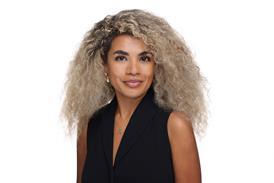
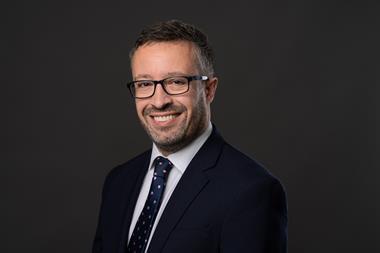
What this looks like in practice, for example, could be if an aesthetics practitioner posts before and after pictures of their client on social media without obtaining explicit consent to do so, added Carly Matson, chief executive at Altea.
Or when the surgeon who is “undertaking the actual procedure isn’t the clinician that’s undertaking the consent process”, Matson continued. “How can the surgeon make an informed decision on treating that patient if they haven’t gone through the consent process themselves?”
A lack of robust record keeping and documentation is a further cause of claims in the aesthetics sector. Marshall said: “Pretty much every case that I’ve been involved in has had an element of poor documentation, poor record keeping or poor communication, whether that’s between the clinician and the patient or between treating clinicians.”
Confidentiality breaches are another driver of complaints – for example, if sensitive, healthcare related information is sent to the wrong email address, or “when a complaint [is] made on behalf of another person, not ensuring that the patient themselves had consented to their confidential information being shared on their behalf”, Marshall explained.
The process around complaints handling should also be a risk management focus for aesthetics and healthcare providers, Marshall continued, because “the immediate steps” taken in response to complaints “often go a long way to determining how that develops and whether it develops into a full blown legal claim involving lawyers’ costs and [the] reputational and financial harm those can bring”.
Managing expectations
Marshall and Matson have some key tips for risk managers on how to mitigate these leading claims causes, centred “around managing the client’s expectations as to what they can realistically expect”.
Read: Mission-owned MGA launches new healthcare product
Read: Intact Insurance launches new claims charter for brokers
Explore more risk management related content here, or discover more news articles here
For example, a key strategy to prevent claims is introducing a two stage consent process that mirrors the “cooling period” model that some retail providers use with consumers.
As well as issuing information about treatment risks, steps and benefits verbally during an initial consultation, this should be followed up with an information sheet or written confirmation, Marshall explained. There should then be a final, in-person meeting with the practitioner performing the treatment, to again go over the risks and possible results – it is only at this point that consent should be confirmed.
“We always try and emphasise that consent is a process, not just a form,” Marshall noted. “With regards to consent, what the law essentially requires is that the aim is shared decision making, so that you and your client reach a shared decision that is properly informed.”
Internal processes and the ability to evidence such processes with “effective documentation” is also important, as is “a culture of learning” that encourages organisations to learn from past mistakes and complaints to improve their practices.
To support healthcare and aesthetic risk professionals, Altea’s tiered risk management function provides online written and video content, a digital self-assessment clinical governance tool and consultancy services that include audits and mock regulatory inspections.
Marshall added: “Unfortunately, we live in a very litigious time and this is a litigious area. You’re never going to prevent claims completely and that’s why people have insurance. But what you can do is you can manage the frequency and the severity of claims with effective, proactive risk management.”

Since joining Insurance Times, Katie has successfully obtained a number of industry accolades. At trade body Biba's 2025 Journalist and Media Awards, for example, Katie was named the overall winner and received the Journalist of the Year trophy, alongside the Best Thought Leadership Award for her briefing article on reproductive health MGA Juniper and how insurance can be used to positively impact taboo subjects.View full Profile
























No comments yet