
- Home
 Top 50 Insurers 2026: Aviva retains table title despite GWP dip
 Top 50 Insurers 2026: Berkshire Hathaway International tops IDL’s 2026 underwriting gold awards
 Top 50 Insurers 2026: Commercial lines retain underwriting edge as motor returns to profit
 Top 50 Insurers 2026: What size really says about underwriting performance
- News
- Analysis
- Destination Insurance
- Brokers
- Insurers
- Ratings
- Research
- Fraud Charter
- Topics
- Events
- Expert Views
- Edition








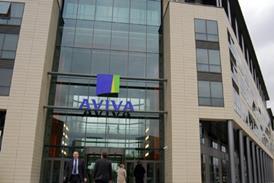










The inside story on Aviva's job cuts

Aviva has relocated 200 roles to India, but what went on behind closed doors in its Manchester office? Will more jobs be exported overseas?
This is premium content - you need to be a subscriber to access it.
(If you’re already a subscriber, please sign in here.)
Subscribe for full access

Take out a print and online or online only subscription and you will get immediate access to:
- Unlimited industry news and insight from our award-winning editorial team
- Expert analysis and comment from industry leaders
- Daily email newsletter, highlighting key stories
- In depth analysis of Five Star ratings results
- Exclusive access to full top 50 Broker and Insurer results
- Optional monthly print edition and supplements
Get access now subscribe today
Alternatively, REGISTER to receive more access to breaking stories as they happen and our news archive. You’ll also have full access to the Broker Hub as well as top level Five Star ratings. Registering is quick, easy and free.


Part of the Insurance and Risk group of Newsquest Specialist Media



Published by Newsquest Media Group Limited,
registered in England & Wales with number 01676637
at The Echo Building, 18 Albert Road, Bournemouth,
England, BH1 1BZ - a USA Today company
registered in England & Wales with number 01676637
at The Echo Building, 18 Albert Road, Bournemouth,
England, BH1 1BZ - a USA Today company
Site powered by Webvision Cloud