

























’IPT receipts saw a notable uplift in August,’ says senior actuarial director
Insurance Premium Tax (IPT) earned the Treasury a total of £4.49bn across the first five months of the financial year, according to new data released yesterday (22 September 2026) by HMRC.

The posting follows a strong August performance for IPT revenue, which saw the government net £1.52bn in the period, a £223m increase on the £1.3bn levied in August 2025.
The surge meant that earnings between April and August of this year sit just £11m behind the same five-month period one year ago.
In turn, the levy’s total annual revenue is largely on track to match last financial year’s record total income of £9.04bn, which surpassed the previous year’s £8.88bn total.
The Office for Budget Responsibility’s (OBR) spring statement recently forecasted that IPT receipts will total £57.7bn between the 2025/26 and 2030/31 financial years – a £500m upwards revision on the prediction it made last autumn.
Notable uplift
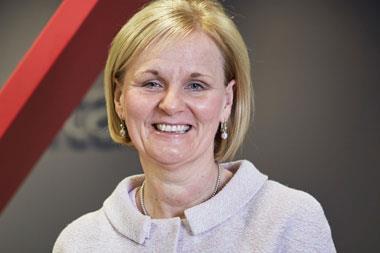
Cormac Bradley, senior actuarial director at financial consultancy Broadstone, said: “IPT receipts saw a notable uplift in August, taking total receipts for the first five months of the financial year to £4.49bn. While the cumulative figure remains broadly in line with the same period last year, the latest monthly rise shows that IPT continues to provide a substantial contribution to the Exchequer.
Read: Insurer profitability hits record high despite fourth year of slowing premium growth – Aon
Read: Allianz UK operating profit increases by 18.2% despite slight dip in business volumes
Explore more financial-related content here, or discover other news content here
“Premiums have remained elevated following several years of higher claims costs and wider economic pressures, meaning the tax burden sitting alongside insurance costs remains significant for households and businesses.
“With the Autumn Budget fast approaching, affordability should remain a key part of the conversation around IPT. Insurance provides an important financial safety net and any measures that add to the cost of cover need to be considered alongside the wider pressures facing consumers and businesses.”

He graduated in 2017 from the University of Manchester with a degree in Geology. He spent the first part of his career working in consulting and tech, spending time at Citibank as a data analyst, before working as an analytics engineer with clients in the retail, technology, manufacturing and financial services sectors.View full Profile





























No comments yet