
Brand awareness among public is vital for insurers, says Consumer Intelligence research. Direct Line’s Winston Wolfe campaign is a success others should seek to emulate
Brand visibility is vital for an insurance company looking to grow its book of business or maintain a healthy portfolio of profitable risks.
The latest data from Consumer Intelligence, published exclusively by Insurance Times, shows that Direct Line Group-owned Churchill is the brand most consumers are aware of at motor insurance renewal time.
Almost four-fifths (79.8%) of policyholders questioned named Churchill as an insurance brand they had heard of.
It was closely followed in second place by Admiral with 79.6% and Direct Line in third with 77.6% of consumers (see chart).

Click here for a larger version
Consumer Intelligence chief executive Ian Hughes says that the brands that lead the awareness list are those with a consistent message who are talking to their customers on a regular and ongoing basis.
“The brands that are consistently advertising are the ones on the top of the list,” he says.
“If a brand dips in and out of advertising or changes the message of their campaigns, then that brand will suffer.
“The benefits for a brand with advertising that achieves a major cut-through with consumers is that it carries into the future and people will remember it [when it comes to renewing their policy].”
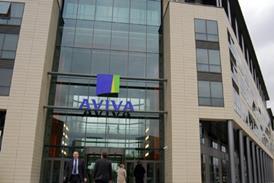
Conversely, Hughes points to insurers like Aviva and LV=, which were named by less than three-quarters of consumers. He says they provide a wide range of other products, such as life insurance or investment products, and so offer a mixed message to consumers, diminishing their visibility in the marketplace.
What’s in a name?
“They also do other things, so it could be that if you are asked to name an insurer you wouldn’t think of them as just a general insurance brand,” he says.
“The other problem for Aviva is that it has long-standing customers who still think of having their insurance with Norwich Union, so would not class the insurer as an insurance brand [under its new name].”
For insurers and brokers that offer policies through aggregators, Hughes says that increased visibility means that they don’t have to offer cheaper policies to get to the top of aggregator listings, improving their profit margin, while direct insurers have to have a high visibility to attract any customers to their business.
“Having a name that people recognise means that you don’t have to be in the cheapest spot, so it is incredibly important to have a brand that people know,” he says.
“But for direct insurers, the best way to get people to buy a premium is to have a brand that people are aware of. Being in the top spot on a price comparison website is a very expensive place to be for an insurer with a direct offering.”
But having a high visibility with policyholders is not enough if customers do not trust you enough to provide a quote, with direct insurers being particularly sensitive to this measure given their limited routes to market.
Hughes says: “Quote likelihood is essential for insurers, especially those with direct offerings. Without people being able to get a quote from you, you are dead.
“If you are on a price comparison website, then getting customers into a direct channel and being able to differentiate your offering and explain why you are more expensive on that channel is key.”
One brand that has been particularly successful in this area is Direct Line, which topped the list of insurers consumers were most likely to get a quote from with 45.1%, 0.1 percentage points ahead of Churchill on 45% (see chart).
Hughes says the insurer’s ad campaign starring Harvey Keitel reprising his Winston Wolfe character from cult movie Pulp Fiction has helped the insurer stand out and differentiate itself from the competition.
Direct Line revolution
“The Direct Line brand has been completely revolutionised by the Harvey Keitel campaign,” he says. “But it has not just reinvented its insurance offering and product range; it has shown that they are different to their competitors’.
“Everything they say is about giving their policyholders one less thing to worry about, portraying themselves as a life partner that has a key part to play in their day-to-day lives.
“That offering means that if they have the right price for their products they can also sell other products to policyholders.
“As long as the value is there, consumers are up for it. They also have the message that the only way for consumers to get insurance from Direct Line is to go to them direct.”
And in a marketplace where competition is at an all-time high, Direct Line appears to be getting things right with the way they approach their customers. Other insurers might just want to take note before they are left behind.

Hosted by comedian and actor Tom Allen, 34 Gold, 23 Silver and 22 Bronze awards were handed out across an amazing 34 categories recognising brilliance and innovation right across the breadth of UK general insurance.


No comments yet