
























Insurance business middle managers are veering away from feedback conversations with younger staffers, but learning how to deliver professional advice successfully to this generation can unlock retention and performance benefits
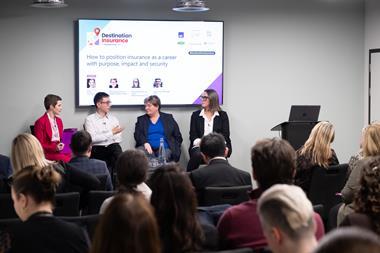
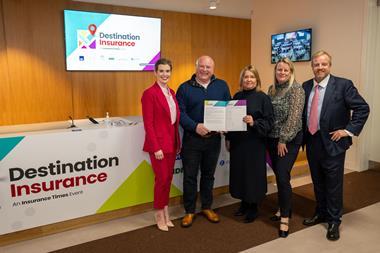
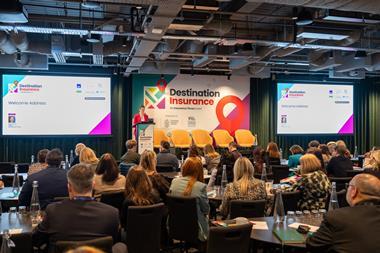
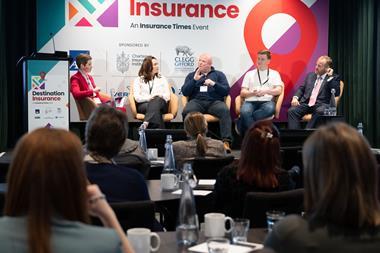
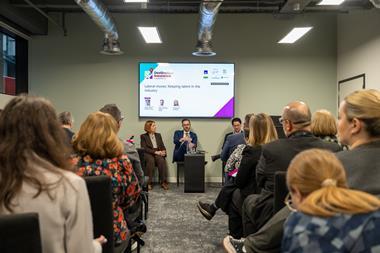
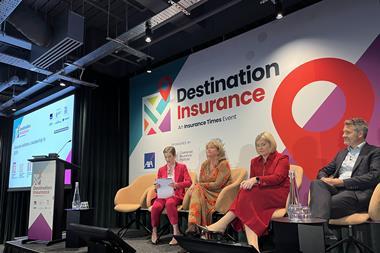
This year has started with a proactive and determined bang as Insurance Times instigated its first talent focused conference, Destination Insurance, on 15 January 2026 – hot on the heels of its overarching Destination Insurance talent campaign launch in Q3 2025.
The one-day event was a goldmine of information and insight covering the spectrum of talent linked challenges faced by the UK general insurance (UKGI) sector.
One topic that received a lot of airtime during the conference was attracting and engaging younger, gen Z talent – a demographic born roughly between 1997 and 2012 – with many delegates complaining that this cohort has a lack of understanding about our industry, thinking that jobs in the sector are boring and limiting.
Although the issue of attracting diverse, young talent is an important one to address to futureproof UKGI, an informal chat with Samantha Lydon, managing director at insurance focused training company Empower Development, uncovered a further pain point concerning this demographic.
She told me that there is a “massive disconnect” between gen Z employees and their managers when it comes to the delivery of constructive and professional feedback, with many managers scared to give direct pointers to these younger team members for fear of social media backlash or an instant argumentative reaction.
This is especially true, she added, when it comes to technical subject matter experts that have been promoted into management positions because of their knowledge set – these new leaders may not yet have the confidence in their soft skills for these types of conversations. Equally, gen Z staffers are often unused to receiving feedback that flags they may have missed the mark – educational institutions typically focus feedback on improvement areas, rather than what may have been done incorrectly.
Lydon explained: “We have a massive disconnect between managers not necessarily delivering messages as honestly and as quickly as they could [do] and also young people questioning [constructive feedback] rather [than] listening.”
This trend is evident in the popularity of certain courses offered by Empower Development – Lydon noted that the firm’s management conversations course and leading a multigenerational workforce programme were the two most requested modules by insurance businesses right now.
Katherine Bryant, chief executive at talent development firm The Progress Partnership, agreed with Lydon. She said that although “apprehension around giving feedback isn’t new”, there is an “added layer” around advising younger employees today.
She explained: “Managers tell us they are more cautious because they perceive younger team members as less used to direct feedback, more sensitive to how it is delivered and keen to progress quickly. Managing that ambition and expectation while still being honest is where many managers feel stuck.
“We also hear managers questioning whether feedback will be taken professionally or escalated emotionally. That uncertainty can lead to avoidance, which ultimately does more harm than good for the individual and the team.”
Beating feedback backlash
The good news is that Lydon and Bryant both have plenty of tips to help alleviate concerns around feedback conversations and mitigate internal butting heads.
Read: Destination Insurance – How can the insurance industry make itself attractive to Gen Z talent?
Explore more talent related content here, or discover more news here
Lydon noted that coaching for managers is a great resource, as well as ensuring that there is “more room to question the conversation” during feedback sessions, giving space for managers to explain the reasons behind certain feedback pointers as younger staff tend to pose “why” responses more readily than other generations.
Furthermore, she believes that managers should have firm objectives around developing their team to ensure feedback conversations take place that offer constructive advice and support rather than criticism. She added that younger employees should also take accountability for their own progression and create a comfortable environment for open discussion with their managers because “feedback is a gift”.
Bryant added that managers should give feedback “little and often” to make it more digestible for staff, while also linking advice to employees’ aspirations. This demonstrates that the feedback is being given “to help them move forward, not to hold them back”.
Lastly, Bryant suggested that managers ensure to ask for feedback themselves too, to normalise the feedback loop process and “signal that feedback is about improvement, not criticism”.
Retaining gen Z talent in insurance businesses is vital for the creation of our sector’s future leaders, so getting feedback conversations right and avoiding slurs around “toxic employers or managers” is essential.
This is especially pertinent considering that a 2024 report from Free Brands, entitled The Re:generation Report, stated that around 50% of the current UKGI workforce could retire in the next 15 years, taking decades of industry know-how with them. This knowledge has to be passed on to those coming through the talent pipeline today, underscoring the importance of high quality manager and employee conversations.
So, let’s get talking and take ownership of professional self-improvement – whether you are delivering feedback or receiving it.

Since joining Insurance Times, Katie has successfully obtained a number of industry accolades. At trade body Biba's 2025 Journalist and Media Awards, for example, Katie was named the overall winner and received the Journalist of the Year trophy, alongside the Best Thought Leadership Award for her briefing article on reproductive health MGA Juniper and how insurance can be used to positively impact taboo subjects.View full Profile
























No comments yet