

























Some suggested the introduction of an industry-wide employer ‘badge’ to create reputational pressure and raise standards
UK general insurance firms are still failing to grasp the value of apprenticeships, despite evidence that well-designed schemes can strengthen succession planning and improve retention.

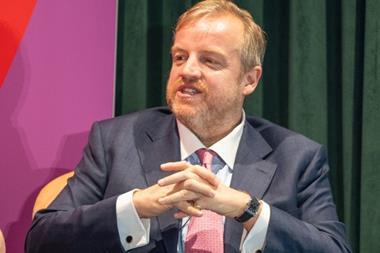
That was one of the central conclusions from Insurance Times’ Destination Insurance case study session, Real stories from apprentice successes in UKGI.
This session examined why the sector continues to lag behind other industries in using apprenticeships as a core recruitment and development tool.
Panellists agreed that while apprenticeships were often spoken about positively, many firms still viewed them as a short-term cost rather than a long-term investment.
Ellie Jackson, sales development manager at Robert Gerrard, described apprenticeships as “a real investment from firms”, adding that businesses which committed properly could “shape and mark these people into something really special”.
However, the session heard that this mindset was far from universal. Several contributors noted that UKGI lacked consistency compared with other major apprenticeship employers.
Jackson said: “We built our apprenticeship team from the ground up. We didn’t have much guidance from the wider sector.
”Although apprenticeship teams are more visible, we’re not using them enough to attract talent. There’s no consistency across the industry yet.”
This inconsistency was contrasted with sectors such as the armed forces, which were seen as more effective at promoting apprenticeships as credible, long-term career routes. Another speaker argued that insurance should be competing at that level for school leavers.
“The biggest employers of apprentices in the UK are the British Army, the RAF and BT,” said Anthony Lewis, apprenticeship manager at Zurich.
“The finance sector is huge for the UK, so we should be up there. We should be that market – but there’s a lot more we need to do.”
’Unloved piece of the UK financial services industry’
A recurring theme was the industry’s struggle to attract young people in the first place. Traditional outreach routes such as school career fairs were widely criticised for failing to generate interest, with panellists pointing to insurance’s poor public image and low visibility.
Read: Destination Insurance – How can the insurance industry make itself attractive to Gen Z talent?
Read: Destination Insurance – Quantitative reporting fundamental to talent pipeline success
Explore more talent-related content here or discover other news stories here
“We’ve tried career fairs at schools – they never work. Insurance just doesn’t have the draw,” Neal Lumb, group sales and marketing director at Verlingue, said.
This lack of understanding was seen as a problem, with contributors arguing that the sector had failed to clearly explain its purpose, impact and career opportunities. Toby Clegg, chief executive at Clegg Gifford, summed up the challenge bluntly: “Let’s face it – the word insurance is not sexy. The word risk probably is.”
Clegg added: “We’re a great, unloved piece of the UK financial services industry. Given the contribution we make to the economy, we deserve a lot more love.”
Several speakers suggested that firms needed to market apprenticeships as much to parents as to candidates themselves, particularly given concerns around university debt and long-term employability.
“Often you’re selling apprenticeships to the parents more than the young people,” Lewis said.
“It’s about convincing them there’s no right or wrong path – university doesn’t always equal the most successful outcomes.”
Despite these challenges, the session highlighted significant cultural and operational benefits when apprenticeships were embedded properly. Reverse mentoring was cited as a growing opportunity, particularly in a market facing an ageing workforce and skills shortages.
“There’s a lot of talk around reverse mentoring and utilising that experience of maturity within the market,” Lewis said. “There’s a lot of fulfilment people can get imparting that knowledge.”
However, panellists acknowledged the commercial tension involved, noting that giving senior staff time to mentor while investing in junior talent could feel counterintuitive in a margin-pressured market.
Earning your ‘badges’
Overall, apprenticeships were positioned as a practical lever for social mobility, with panellists noting their ability to attract people from backgrounds that might never consider insurance otherwise.
Some suggested the introduction of an industry-wide employer “badge” to create reputational pressure and raise standards.
“If they’ve got bronze and you’ve got gold, you can say, come on, up your game,” one speaker said.
Ultimately, the message from the session was that apprenticeships were working where firms committed to them properly, hired for potential and took a long-term view.
“You’re taking a punt on potential – but what’s wrong with that?” Lewis said. “You mould them through the apprenticeship programme and it pays dividends.”

































No comments yet