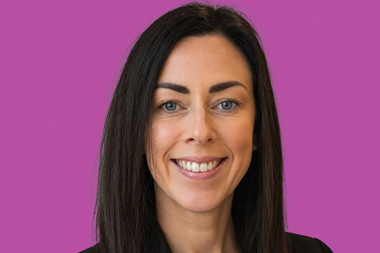





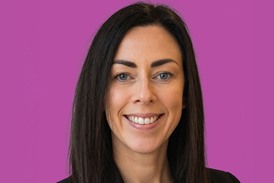
















Sponsored content: Leanne White, talent acquisition partner at Axa, talks about her experience of having ADHD and how an apprenticeship allowed her to learn in a way that worked best
1. What support has Axa provided for neurodiverse employees?
Systems aren’t always built for brains that work differently. I have ADHD and, because of that, I haven’t always got along well with traditional academic learning. But the flexibility and support that you get from an apprenticeship has transformed my learning experience and opened up new possibilities for me.
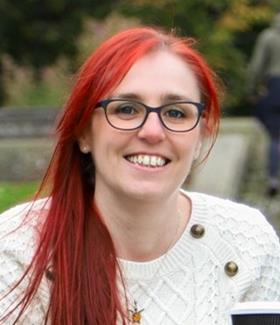
In 2025, 54 Axa UK colleagues completed apprenticeships in everything from artificial intelligence (AI) to fraud, software development, finance and more – and I was one of them.
I achieved my Recruitment Consultant Level Three Apprenticeship with Distinction while working as a talent acquisition consultant. It gave me all the fundamentals of recruitment and will help me to recruit top talent into the insurance industry.
2. How does your ADHD affect you at work?
With ADHD, I often mask how well I’m managing my workload, which can make it difficult to prioritise tasks. For me, flexibility and regular one-on-one support is key and my apprenticeship offered me both of those things.
3. What did flexible learning look like for you during your apprenticeship?
I got dedicated time away from my day-to-day role to fully focus on my apprenticeship. Axa were really flexible about when I took this so it best suited me. My apprenticeship provider also offered flexible pacing and regular check-ins to make sure I was on track, giving me the confidence to stay focused and organised.
This support not only helped me succeed in my apprenticeship, but also helped me feel in control at all times.
4. What advice would you have to neurodiverse people considering an apprenticeship?
Starting my apprenticeship was daunting, but the confidence I have gained in my role over the last 12 months was worth every needless worry I had. If you’re considering doing an apprenticeship, my advice would be do it! It’s 100% worth the experience and confidence you’ll gain.
If you’re neurodiverse, the most important thing is to be upfront and honest about any additional support you feel you might need.
My manager took a really active role, coming along to meetings with my tutor to make sure he understood what I needed to do so that he could offer tailored support. The apprenticeship provider was brilliant too, making sure I had any additional tools or support that I needed, not just with the assignments but with all the online learning too. This made all the difference.
5. What do you think is the importance of apprenticeships?
Everyone learns differently and providing opportunities for neurodiverse people to study towards apprenticeships in supportive, flexible environments is essential. It allows people to reach their full potential in their chosen fields.
Apprenticeships can be a gamechanger for unlocking talent and building confidence for people who learn and work differently.