





















With 45% of individuals in the industry reportedly leaving due to a lack of career development, a HR director says that the industry needs to ‘shout about’ internal lateral moves to keep talent
Staff expectations for their careers are “significantly higher” these days, with company loyalty reducing among young people because of a lack of transparency around development plans.
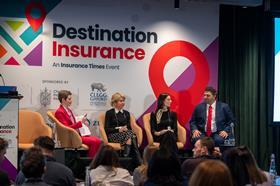
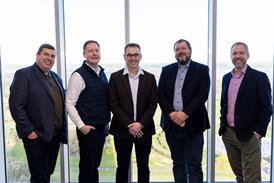
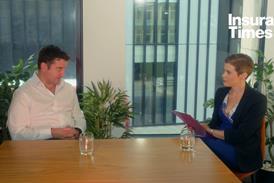
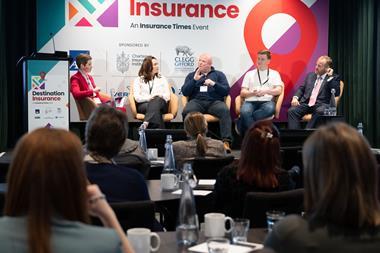
That was according to recruitment consultancy Arthur’s chief innovation officer Simon Caplan, who addressed delegates during Insurance Times’ Destination Insurance event in London during a panel session chaired by deputy editor Yiannis Kotoulas and including Claire Davies, HR director at Gallagher, entitled ‘Lateral moves: Keeping talent in the industry’.
The panel addressed the challenges around the environment in which external hires often receive better deals than internal candidates – and the ways in which the industry can put an end to this to retain talent.
For Caplan, insurance firms that are not focusing on developing talent internally will be forced to look externally, therefore increasing the cost of hiring.
He said: “If you’re not doing succession planning, with all the institutional knowledge about to leave, you’re going to have to look externally.
“If you’re not paying your staff on parity with the market they are going to look elsewhere. If you don’t have training and development in place, or it’s not visible enough, and companies do have that, your staff are going to look externally as well. There are huge temptations to leave at the moment.”
Indeed, Insurance Times’ Talent Development Report 2026 revealed that 45% of individuals in the industry leave their roles due to a lack of career development, while another 42% reported leaving due to being overworked.
Meanwhile, 33% of respondents said that employees leave because they are underpaid.
Caplan explained that it is also vital for insurance firms to use data to understand their workforce and demographics via engagement, which allows them to respond accordingly and improve culture.
While retention rates have been stable at Gallagher, Davies explained that all firms were struggling with the inability to match the salaries offered by external hirers.
Davies explained, however, that the broker emphasises “other bells and whistles” such as succession planning, career development and company culture to employees.
Despite this, Davies said she believes that the wider insurance industry often fails to make these opportunities for career development visible to employees.
Companies in the sector too often focus on their own cultures without interacting with the culture of the people that they employ, she explained. This is especially egregious given the cultural reset of Covid, which significantly impacted ”how people interact with companies and their loyalty to them”.
Davies stressed that “organisations have got a big responsibility to clearly articulate what the options are” for career development and must ”shout about” these pathways and internal lateral moves – or risk losing talent to external companies.
Prioritising flexibility
The Destination Insurance panel also addressed the importance of flexibility to the challenge of staff retention. Davies stressed that firms need to adapt to post-Covid hybrid working because firms “pushing for four or five days back in the office are losing staff as a consequence”.
Read: Destination Insurance – Leader warns industry is not hiring enough young talent
Read: In Focus – Why so many say ‘I fell into’ insurance – and why that’s changing
Explore more talent related content here, or discover more news here
She continued: “If companies are not adapting their work-life balance policies to mitigate and meet these new expectations then people are very much motivated to leave as a consequence – it’s probably as important as [salary].”
Davies explained that Gallagher has adapted itself by settling on a flexible three-day-a-week model without mandating attendance, granting employees choice in where they work.
Meanwhile, she also noted that its job adverts had been updated to emphasise flexibility – reversing the traditional priority to list roles as part-time, job-share or full-time, following an approach adopted by Zurich.
Using these methods, Davies believes that Gallagher has retained more employees by making “the office a magnet, not a mandate”.
However, it’s not simply flexibility in terms of agile working that is important, but also creating flexibility within working policies – as well as in the way managers can interpret those policies.
Davies added that investing in the quality of managers is ”absolutely critical as a key champion of culture”, while also “empowering those managers to tailor the employment experience to the individual”.

She joined the title after completing a Master's degree in Journalism in 2025, having previously graduated with a degree in English Literature.View full Profile



























No comments yet