

















‘Fraud involving luxury watches is not just confined to isolated or opportunistic incidents,’ says senior manager
Organised criminal networks are playing a major role in luxury watch insurance fraud, with one in 10 fraudulent claims suspected to be linked to such groups.

This is according to new research from lost and stolen luxury watch database The Watch Register, released today (28 July 2026), which polled loss adjusters and claims managers across Europe, Asia, the Middle East and the US.
It revealed that inflated valuations were the most commonly utilised fraud technique, seen in 35% of cases, followed by claims on counterfeit watches (31%), false ownership claims (27%), multiple claims for the same item (4%) and fictitious losses (3%).
The Watch Register – which claims to have identified over 5,000 lost and stolen watches since its founding in 2014 – said the figures highlighted the “increasingly global nature and growing sophistication of these activities”.
Meanwhile, survey respondents also reported a growing trend of violence in watch theft claims reports, with some 70% saying the use or threat of violence had climbed over the past three years, with a further 5% saying the rise had been “dramatic”.
International coordination
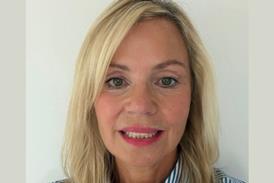
Antonia Kimbell, senior manager at The Watch Register, said: “Fraud involving luxury watches is not just confined to isolated or opportunistic incidents.
Read: Fraud Charter Ghost Broker Focus – How Biba is working to counteract illegal insurance firms
Read: Aviva stops record levels of claims fraud as new scams identified
Explore more Fraud Charter related content here, or discover more news here
“We are seeing a growing level of organisation and international coordination, with criminal networks exploiting the liquidity of watches and the global nature of the pre-owned market.
“The international nature reinforces the importance of intelligence sharing and global databases to identify activity and disrupt these networks.”

He graduated in 2017 from the University of Manchester with a degree in Geology. He spent the first part of his career working in consulting and tech, spending time at Citibank as a data analyst, before working as an analytics engineer with clients in the retail, technology, manufacturing and financial services sectors.View full Profile
























No comments yet