



















Its AI and advanced analytics tool ’has been game-changing for us in terms of the maturity of that contextual data analysis, but it makes you hungry for even more data,’ says head of claims fraud
Zurich UK detected £109.3m worth of fraudulent insurance claims over the past year, with connected artificial intelligence (AI) and advanced analytics helping the insurer identify £17.9m.
The number of fraudulent claims detected across its casualty, motor and property portfolios increased by 22% to 4,359 – up from 3,562 in 2022.
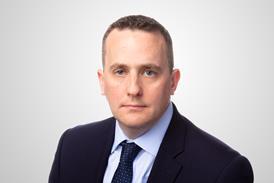
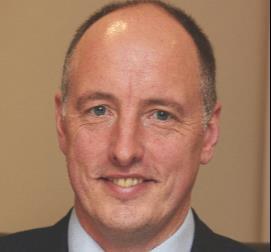
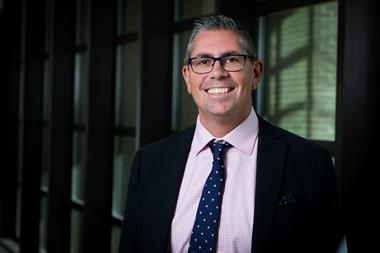
Scott Clayton, head of claims fraud at Zurich UK and chair of the Insurance Fraud Bureau (IFB), said that the £109m of fraud uncovered this year shows “the scale of the threat and the importance of staying ahead of it.”
Insurance fraud in the UK is becoming more sophisticated, he explained, and “criminal networks are constantly adapting their tactics” including for staged accidents, ghost broking, fabricated claims or the use of AI-generated evidence.
Accounting for the largest proportion of fraudulent claims over the last 12 months, Zurich identified £61.6m worth of fraud in casualty lines across 2,380 claims.
Meanwhile, the insurer also identified £28.1m of motor fraud across 1,027 claims and £19.6m of property fraud across 951 claims.
Speaking to Insurance Times, Clayton noted that it is becoming “more challenging” for the insurer’s frontline investigators as frauds tactics become more sophisticated with “more pressure on handlers”.
Looking to meet the challenge face on in 2027, Clayton said he wants to embed its connected AI and advanced analytics tool Quantexa further into the organisation to support its people while “harnessing some of the opportunities within underwriting”.
“Quantexa has been game-changing for us in terms of the maturity of that contextual data analysis, but it makes you hungry for even more data,” he continued.
“What other insight can we get? What other publicly available information could we use? Whether there’s anything out there that could highlight more information about the claims or the people [involved]. There are all those discussions going on at the moment around what we can plug in next and the economics of it against the perceived value.
“I think that’s where the industry is looking at the moment, and the IFB is certainly there to support.”
Further opportunities
Following cross-sector initiatives such as the online crime centre, Clayton also noted that the insurer sees opportunity to “work closer with governmental departments”.
Watch: Insurance Times’ The Fraud Frontline webinar
Read: How Covéa is collaborating to ‘starve ghost brokers of their customers’
Explore more Fraud Charter related content here or discover more news here
He believes that “there’s a gap in the knowledge and perception around how good the insurance industry is at collating and sharing data”.
“It’s not for any sort of commercial gain from our point of view, but it’s doing the right thing,” he continued.
“There’s a lot of information that the insurance industry holds that other law enforcement departments would find really useful and because we’ve got that data in a controlled way, then there’s opportunities to look at how we can explore that further rather than shying away from them.”
Ursula Jallow, executive director at the IFB, added: “Insurance fraud is becoming increasingly sophisticated and AI-driven, making it vital that we continue to invest in the systems, controls and partnerships needed to protect businesses and consumers.
“Through the IFB’s connected to protect strategy, we are harnessing technology, data and cross-sector collaboration to strengthen fraud detection, disrupt criminal activity and raise awareness of emerging threats.”

She joined the title after completing a Master's degree in Journalism in 2025, having previously graduated with a degree in English Literature.View full Profile


























No comments yet