



















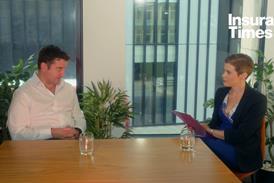

‘A business does not necessarily need to suffer physical damage to experience a significant financial loss,’ says head
Growing concern over drought and water scarcity is prompting more UK businesses to explore parametric insurance.
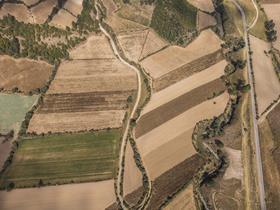
Industry sources said conversations around water-related risk have evolved significantly in recent years, with organisations increasingly focused on the financial consequences of drought and water shortages rather than viewing them solely as agricultural concerns.
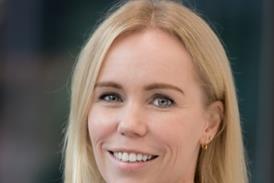
Alice Glenister, head of parametrics at Miller, said businesses were becoming more aware that climate-related losses could occur without physical damage.
According to Glenister, water restrictions, reduced river levels, supply chain disruption and rising input costs can all impact a company’s operations without triggering a traditional property insurance claim.
“There is also greater awareness that a business does not necessarily need to suffer physical damage to experience a significant financial loss,” she said.
In turn, sectors including food and beverage, manufacturing, utilities, construction and hospitality are among those exploring whether parametric propositions can help manage these exposures.
Parametric insurance pays out when a pre-agreed trigger, such as rainfall levels or river height, is met, rather than requiring proof of physical loss.
Glenister said the cover was generally purchased alongside traditional property and business interruption insurance, providing businesses with “rapid, pre-agreed liquidity” following an event.
Limited uptake
Despite growing interest, market uptake remains relatively limited. Familiarity with parametric products continues to be a barrier, while insurers must ensure policy triggers closely reflect a client’s financial exposure.
Read: Adjusters urged to submit fire and flood loss data due to wildfire risk
Read: Average subsidence claim reaches £20,000 as record spring drives surge
Explore more risk management-related stories here, or discover more news here
Matthew James, commercial director for the UK and Ireland at Descartes Underwriting, said demand for drought-related parametric cover was still at an early stage, but businesses were increasingly recognising drought as a recurring commercial risk.
“I think people are beginning to spot the pattern of, hang on a minute. We’re having summer after summer of heat waves,” he said.
James added that interest was also extending to related perils such as UK wildfires as climate concerns continue to grow.

With a background in local journalism, she has previously worked as a freelance reporter covering community stories and gaining valuable on the ground experience.View full Profile





















No comments yet