


















‘Climate change is increasing the likelihood that long-standing underinsurance will be exposed,’ says principal consultant
More frequent extreme weather events could expose widespread property underinsurance unless policyholders regularly review sums insured against current rebuilding costs, according to construction cost consultancy BCIS.
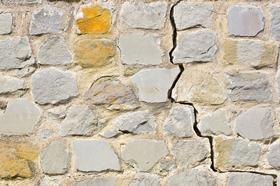
The warning comes as drought conditions affect half of England and all of Wales following the driest July on record, increasing the risk of subsidence claims linked to shrinking clay soils.
BCIS said that as weather-related property damage becomes more common, more buildings are likely to require significant repairs or reinstatement. Where sums insured no longer reflect rebuilding costs, policyholders may discover they are underinsured when making a claim.
New modelling by the British Geological Survey found that more than 1.8 million properties in Great Britain could be highly or extremely susceptible to clay shrink-swell by 2070 under a medium emissions scenario. Under a higher emissions scenario, that figure rises to more than 4.2 million.
BCIS noted that London could face some of the highest levels of risk, with up to 54% of properties potentially susceptible to clay shrink-swell by 2070 under the higher emissions scenario.
The consultancy added that subsidence was only one of several climate-related threats facing buildings, alongside flooding, storms, wildfires and periods of extreme heat.
Rising costs
The warning comes as rebuilding costs continue to rise.
Read: Average subsidence claim reaches £20,000 as record spring drives surge
Read: London’s subsidence timebomb – check your postcode here
Explore more property-related articles here, or discover other news stories here
According to the ABI, the average subsidence claim reached a record £20,000 in the second quarter of 2026, while the average claim for damage caused by floods, storms and burst pipes increased by 12% year-on-year to £8,548.
BCIS said its House Rebuilding Cost Index increased by 40% in the five years to July 2026 and expects rebuilding costs to continue rising.
Cos Kamasho, principal consultant at BCIS, said: “Climate change is increasing the likelihood that long-standing underinsurance will be exposed, but it does not create underinsurance.
“Regular reviews supported by robust reinstatement cost data can help policyholders, insurers and brokers make informed decisions about maintaining appropriate levels of cover before a claim puts those decisions to the test.”





















No comments yet