




















Mike Dalby, chief executive at Howden’s consumer division, discusses the dangers of underinsurance and other protection gaps for clients, especially as winter rolls in
As we move towards the end of the year, I have been reflecting on the themes I have covered since beginning these columns in February. Despite the variety of subject matter, they have all shared one underlying theme – gaps in protection.

I have written about the cyber insurance gap, with growing numbers of SMEs exposed to potentially serious attacks while remaining hesitant to take out additional protection – whether because of cost, complexity or uncertainty about what they need.
I have also considered the AI information gap. More people are using AI to help them understand insurance and healthcare questions and these tools can be useful starting points.
However, their responses may be incomplete, outdated or difficult to verify and cannot always reflect an individual’s circumstances.
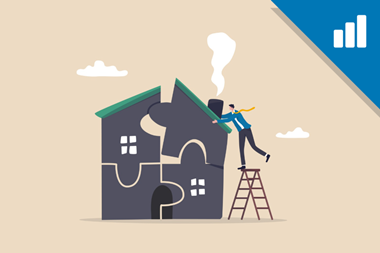
Underinsurance presents a similar challenge. Rising construction costs and changes in asset values can mean that policies arranged several years ago no longer provide the level of cover expected.
It is easy for price to take priority, for policies to renew without review and for changing rebuild costs to go unnoticed until a claim is made. Howden’s recent BCH survey found that 57% of respondents were underinsured.
And, as winter approaches, other protection gaps may become more visible.
Changing weather patterns are making household risk harder to assess and easier to underestimate.
In 2022, Storms Dudley, Eunice and Franklin led to approximately 177,000 claims for damage to homes, businesses and vehicles, with payouts estimated at almost half a billion pounds, according to the ABI.
In 2024, insurers paid £585 million for weather-related damage to homes and possessions – the highest annual figure since the ABI began publishing the data.
A cold wind blows
Winter pressures also bring healthcare decisions into sharper focus.
The NHS waiting list remains significantly above its pre-pandemic level. Research from King’s College London found that one in seven people in the UK had used AI instead of contacting a doctor or healthcare service, with some reporting that they felt more worried afterwards.
Read: Insurance sector offers trust and opportunity as students face results day
Read: Using insurance to make a genuine difference to people’s lives
Explore more broker-related content here, or discover more briefing articles here
Against this backdrop, it is understandable that interest in private healthcare may increase.
There are no simple answers to these challenges. What they underline, however, is the value of helping people understand their risks and make informed decisions – and the important role that professional advice can play.
AI and digital services can make insurance more accessible and convenient, but there are times when speaking to a knowledgeable adviser adds real value.
We work with several price-comparison websites to offer a fully digital quote-and-buy journey for life and health insurance. Many customers are comfortable completing the process online, while others prefer to speak to one of our specialist advisers. That conversation can help them understand the options, work through complexity and consider how different choices relate to their circumstances. In doing so, advisers can help close protection gaps one conversation at a time.
That belief also sits behind our continued investment in a network of over 100 high street branches, at a time when many services are moving away from town centres. We want these branches to be accessible centres of advice for their communities, staffed by people who understand local needs and can help with a broad range of insurance questions, from motor and home to health and life.
A further theme running through this year’s articles is how difficult it can be to prioritise risks that feel distant when more immediate pressures are competing for attention. Whether the issue is cyber risk, underinsurance, health protection or reliance on AI-generated information, gaps often become most apparent only when support is needed.
In an increasingly complex and unpredictable world, taking a longer-term view matters.
Advisers can use data, insight and experience to help customers consider tomorrow’s risks as well as today’s needs. For anyone uncertain about whether their protection still reflects their circumstances, a conversation with an adviser – online, by phone or in a local branch – can be a useful place to start.
The aim is not simply to arrange cover, but to help people make informed decisions and feel better prepared for the future.






















No comments yet