

























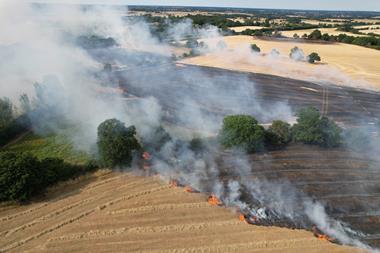
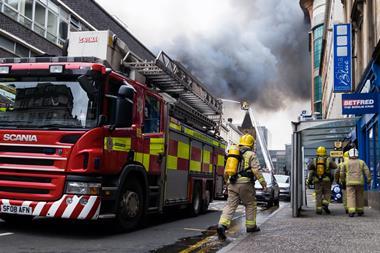
During the summer of 2026, prolonged hot, dry weather fuelled blazes across moors, farmland and urban parks
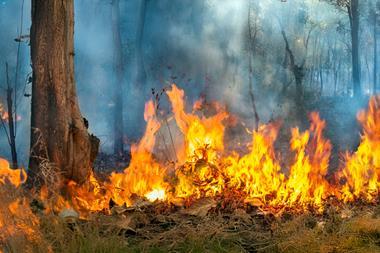
Wildfires are no longer a risk UK insurers can afford to view as an overseas problem, with future events likely to generate more complex claims, coverage disputes and litigation, according to William Brown, partner at Kennedys.

Speaking during a Kennedys webinar on wildfire risk, Brown said the scale of wildfire activity now being experienced in the UK would have been “inconceivable” a decade ago.
During the summer of 2026, prolonged hot, dry weather fuelled blazes across moors, farmland and urban parks.
Brown warned insurers to review the scope of non-damage policy extensions, drawing comparisons with the unexpected coverage issues that arose during the Covid-19 pandemic. He also predicted litigation would increase as wildfire events become more frequent.
He added that wildfires are no longer resulting solely in property damage claims, with insurers increasingly having to assess losses linked to smoke contamination, evacuation orders, utility interruption and business interruption.
Reflecting on how public awareness of the threat has changed, Brown said this is “first year that we all sat at home, genuinely concerned that our houses were a tinder box, and that we [are] at risk of something that could take hold and cause widespread devastation for us”.
Faster detection
While insurers prepare for more complex claims, speakers also highlighted how technology could help reduce wildfire losses before they occur.
Read: Liberty launches security advisory service for political risk clients
Read: Allianz UK revamps mid-market wholesale and retail cover amid supply chain concerns
Explore more risk management-related stories here, or discover more news here
Armando Hernandez, lead on sales and growth at Satellites on Fire, said rapid detection was critical because around 95% of wildfires are caused by human activity.
The company uses a combination of satellites, cameras and artificial intelligence (AI) to detect fires and issue alerts via WhatsApp, SMS and email.
Hernandez said the technology was currently “outperforming Nasa systems by over 40 minutes”, helping emergency services respond before incidents escalate.
“This is key because time at the end of the day is the variation where a fire connection is spread and becomes very dangerous,” he said.
He added that the technology was already being used across Europe, including through a partnership with Allianz in Spain, where it generated 1.2 million alerts during the latest wildfire season.
According to Hernandez, earlier detection can significantly reduce losses for insurers and policyholders by helping authorities contain fires before they spread, limiting property damage and business interruption claims.

With a background in local journalism, she has previously worked as a freelance reporter covering community stories and gaining valuable on the ground experience.View full Profile




























No comments yet