












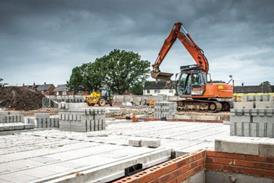

‘We’ve developed an intelligent solution that identifies musculoskeletal risks earlier,’ says director
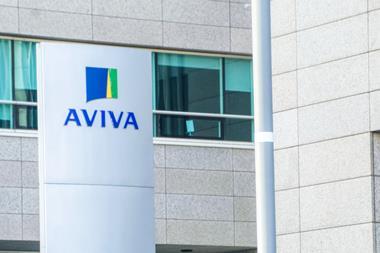
Insurer Aviva has partnered with health and safety specialist Cardinus Risk Management to add an artificial intelligence (AI)-powered musculoskeletal injury prevention tool to its client offering.

The service – which will be available to Aviva Global Risk Management Solutions policyholders via the 3MotionAi platform – is aimed at identifying movement patterns in workers that may indicate a high likelihood of future injury.
The tool uses video footage to analyse the repetition, duration and force of subjects’ movements, as well as their posture, before flagging any employees that are at risk of strain or injury.
Cardinus originally developed the technology for sports performance analysis, before expanding into other musculoskeletal injury risk analysis markets.
Aviva said the proposition followed reporting from the government’s Health and Safety Executive (HSE), which suggested that some 511,000 UK workers had experienced musculoskeletal injuries across 2024 and 2025, resulting in the loss of 7.1 million working days.
Musculoskeletal risks
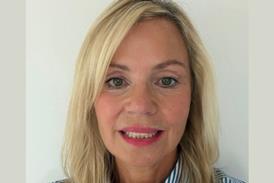
Gill Milner, head of risk management solutions for casualty classes at Aviva, said: “Many musculoskeletal risks aren’t immediately obvious. In our pilots we’ve already seen 3Motion identify higher risk activities that had previously been considered low risk, helping clients take targeted action before injuries occur.
Read: Robotic repairs and drone delivery – the future of insurance is hardware
Read: AI will not replace specialist brokers – but it will define the exceptional ones
Explore more artificial intelligence related content here, or discover more news here
“By delivering real-time, evidence-based insights into workplace activities, the technology helps organisations focus their efforts where they’ll have the greatest impact, supporting safer workplaces, healthier employees and stronger business performance.”
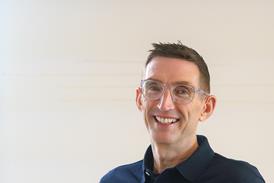
Jon Abbott, director at Cardinus Risk Management, added: “By combining Cardinus’ expertise in ergonomics and workplace health with Aviva’s commitment to supporting customers, we’ve developed an intelligent solution that identifies musculoskeletal risks earlier, enabling timely interventions before they become more serious.
“Ultimately, this is about preventing avoidable injuries, reducing their impact on individuals and organisations and helping people remain healthy, productive and in work.”

He graduated in 2017 from the University of Manchester with a degree in Geology. He spent the first part of his career working in consulting and tech, spending time at Citibank as a data analyst, before working as an analytics engineer with clients in the retail, technology, manufacturing and financial services sectors.View full Profile























No comments yet