
























Ican co-founder Ajay Mistry looks back at the successes of DEI-focused insurance event Dive In – and says that what comes next will be vital
When Dive In launched in London in 2015, the insurance industry was having a very different conversation about diversity, equality and inclusion (DEI).

I know because I was there.
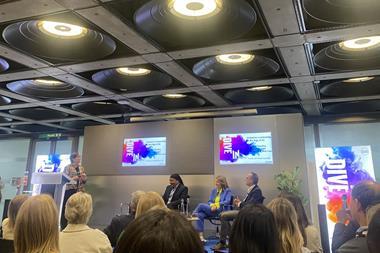
I have been involved with Dive In since its first year and watched it grow from a London-based initiative into a genuinely global movement. In 2025, more than 35,000 people took part across 31 countries.
This September, after 12 years, the festival will take place for the final time.
And for those of us who have been involved from the beginning, that feels significant.
But I do not think the right question is simply ‘what will replace Dive In?’
The more important question is whether, after 12 years, the industry has learnt to continue the work on DEI without needing one major annual festival to concentrate our attention.
How much has changed
It is easy in DEI to focus entirely on how far there is still to go.
Read: Young insurance talent needs access – not just advice
Read: The top 10 learnings about UKGI’s talent crisis
Explore more diversity and inclusion-related content here, or discover more briefing articles here
There is plenty of work left to do. Entry-level representation does not automatically translate into representation in leadership. Publishing data does not close a pay gap. Hosting a panel does not necessarily change somebody’s experience at work.
But we should not become so focused on the gaps still left to fill that we fail to recognise genuine progress.
Dive In helped make conversations possible that would have been far less common across insurance when the event began.
Race, social mobility, discrimination, unequal access to opportunity and pay gaps are discussed far more openly now than they were in 2015. The definition of workplace inclusion has expanded too, with subjects including neurodiversity, menopause, men’s health and domestic abuse increasingly becoming workplace issues rather than subjects left at the office door.
More importantly, some of those conversations have translated into practical action, including initiatives publicly recognised at the Insurance Times Awards.
Intact Insurance has built a domestic abuse framework incorporating a dedicated policy, awareness resources, specialist leadership training and trained champions.
Aon’s Work Insights Programme has increased its UK work experience opportunities tenfold since launching in 2023. More than 1,400 students had taken part by the end of 2024, giving young people from state-funded schools direct exposure to careers, skills and opportunities within financial services.
Those examples matter because they go beyond awareness. They change access, support and people’s actual experience of work.
Dive In’s biggest impacts
There is another part of Dive In’s legacy that is harder to measure – it brought people together.
Insurance is a fiercely competitive industry, yet for a brief period each year, Dive In created a space where insurers, brokers, professional bodies, networks and competitors could work as one industry around shared challenges.
What began in London grew across countries and continents, with different markets tackling their own priorities while contributing to a wider global conversation.
That spirit of collaboration matters. I have experienced the consequences of it personally.
My co-founder at the Insurance Cultural Awareness Network (Ican) and I first met through Dive In. From that connection came conversations about what was missing for multicultural professionals in our industry and, ultimately, the creation of Ican.
Next year, that network will celebrate its tenth anniversary – and it will not be the only example.
Over the past decade, countless relationships, networks, initiatives and collaborations have grown because Dive In brought like-minded people into the same room, sometimes for the first time.
That may be one of its most important legacies. A successful inclusion event should not simply leave people with notes from a panel. It should create connections that continue to deliver change long after the event finishes.
The real test starts now
Dive In did not create progress by itself. People did.
The festival gave those people a platform. It connected organisations, introduced new ideas and, particularly in its earlier years, gave people permission to start conversations that their workplaces were not always ready to have.
But the real impact happened afterwards, when somebody changed a policy, a hiring manager reconsidered how they recruited, a senior leader sponsored someone who lacked access to the right networks or an employee network received proper investment.
Or even when two people met, built a core group of like-minded individuals and went on to create something new.
That is the work that now has to continue.
For those of us who have been part of Dive In, its final year should therefore be both a celebration and a challenge.
We should celebrate what has been achieved, recognise the thousands of people who have dedicated their time to move this industry forward and recognise all the things that exist today because people first connected through initiatives such as Dive In.
But then we should ask the harder question – what are we going to keep doing when Dive In is no longer there to remind us?
If, 12 years on, inclusion genuinely has become part of how our industry operates, the end of Dive In should not slow progress.
Perhaps its strongest legacy will not be the number of events it held or people who attended them. It will be everything those people went on to build.



























No comments yet