




















’When people have got things going on, like an IVF process, what they need is flexibility without judgement,’ says senior HR business partner
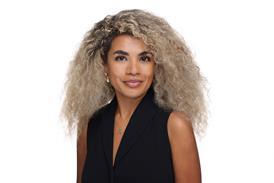
Insurance leaders must create workplaces where staff receive flexibility, support and empathy rather than a rigid reading of company policy, said Ellie Parish, senior HR business partner at Antares Global.
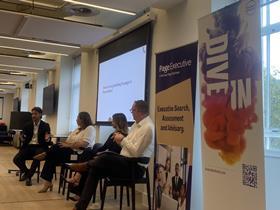
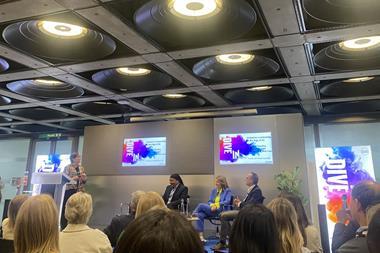
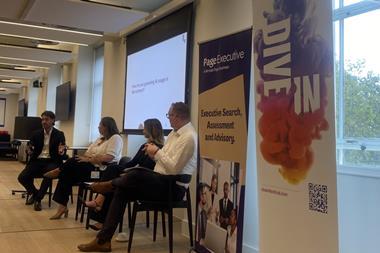
Parish made the comments as she spoke to delegates at the Lloyd’s talent-focused Dive In festival about her experience undergoing IVF while working in insurance.
Learning quickly during her first round of IVF that the emotional toll meant she could not “pretend” it was not happening while in the workplace, Parish said that when she finally told her manager the support and flexibility she received made her “feel safe”.
In the future, Parish said that her concern is that an artificial intelligence (AI) HR chatbot would not be able to be as accommodating to people as it could be trained to follow rigid policies.
Instead, as AI and technology is embraced by the insurance sector, Parish felt it should be used to “create space for human interaction”.
She explained that these tools allow managers to focus on supporting employees while “AI is running spreadsheets” and administrative tasks.
She continued: “When people have got things going on, like an IVF process, what they need is flexibility without judgement.
“You need to be trusted that you’re going to get your work done, as well as try and manage this process and [be afforded] a break if you’re quite physically overwhelmed.”
Culture from the top
Parish added that this trust and flexibility from the top down can feed into talent retention.
Read: Dive In is ending – DEI cannot end with it
Read: Beyond the D-word – does insurance still believe in diversity?
Explore more diversity and inclusion-related content here, or discover other news stories here
For example, those going on maternity and paternity leave may be “scared to say they’re pregnant” and “there’s no point in having the policy if you don’t feel safe to use it”.
She said: “If someone in your team is going off on maternity or paternity leave, a manager should be thinking – ‘who in my team wants to learn those skills and could step up to cover that role?’
“It’s an opportunity to revisit responsibilities [and redistribute work]. You go and have your baby and when you’re ready to come back, you’ll be welcomed with open arms.”
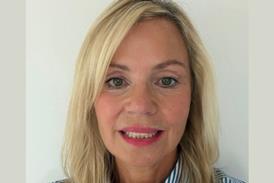
Echoing this view, Nicola Everitt, financial controller at Antares Global, said it was of “such importance that people feel they can disclose” concerns or personal circumstances without fear of punishment or having their career opportunities curtailed.
She finished: “It’s about having that culture from the top and the training of managers to help them understand these policies are guidelines [and to] respond with kindness and empathy to the people and the situation.”

She joined the title after completing a Master's degree in Journalism in 2025, having previously graduated with a degree in English Literature.View full Profile























No comments yet