
























Insurers and vets are exploring whether contextualised care could help inform high-value pet claims decisions, while stressing the need to protect clinical judgement, animal welfare and consumer trust
The “contextualised care” framework could help insurers to better understand veterinary treatment decisions and assist in the assessment of high-value pet claims.
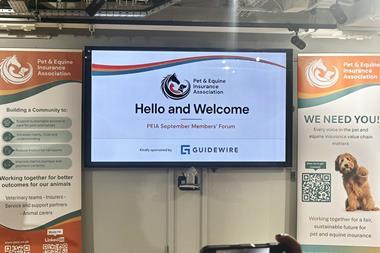
That was according to a session at the Pet and Equine Insurance Association (Peia) Forum, held under Chatham House rules, where panellists discussed whether reviewing a sample of high-value claims could help both insurers and vets understand where claims costs are being driven.
The conextualised care framework, highlighted by Peia, asks veterinary professionals to make clinical decisions based not just on clinical availability, but also considering the individual animal, the circumstances and preferences of owners, veterinary judgement, practical realities and cost. It focuses on the ”right care for the individual animal in the circumstances that actually exist”.
One panel member at the Peia Forum said the ability for insurers to ask questions about treatment decisions was important in understanding claims costs.
“Insurers, from my perspective, need to be able to challenge,” they said.
“If somebody feels like they’ve been over-treated, over-diagnosed and we’ve got contextualised care as a basis, I’m just thinking about the full picture, that eventually claims will start to reduce.”
A vet on the panel also argued that the profession had, in some cases, been too focused on what treatments were possible, rather than whether they were appropriate.

“Insurance has actually driven some of this work,” they said.
“We should have asked the question first. Just because we can [perform a treatment], it doesn’t mean we should.”
However, speakers stressed that any approach from the insurance industry would need to respect veterinary clinical judgement and the complexity of treatment decisions.
One panellist highlighted the challenge vets face in balancing their responsibility to outline available treatment options with the need to guide owners towards appropriate care.
“We do have a duty of care to present every available option, then sometimes people will go for that expensive option and regret it later, so that could open up a little bit of a minefield” they said.
Challenging claims
However, the panel questioned whether some examples of “excessive” treatment may also stem from defensive medicine, rather than a desire to pursue unnecessary care.
Read: ManyPets eyes launching ‘differentiated product set’ for price comparison websites
Read: Man convicted after making £31,000 from fake pet insurance claims
Explore more personal lines-related stories here, or discover other news content here
One panellist, for example, said newly qualified vets could feel pressured to offer every available option due to concerns about complaints or potential legal repercussions.
As a result, vets may feel more comfortable following established treatment pathways rather than exercising their own judgement in more nuanced cases, the panel heard.
At the same time, speakers also warned against insurers using contextualised care to retrospectively challenge claims.
“If you insure a pet and then suddenly turn around to retrospectively say contextualised care wasn’t given and then refuse to pay, that would further erode the satisfaction that people have with insurance,” one vet in the audience said.
The discussion highlighted the need for greater understanding between the veterinary and insurance sectors about how treatment decisions are made, rather than placing responsibility solely on either side.

With a background in local journalism, she has previously worked as a freelance reporter covering community stories and gaining valuable on the ground experience.View full Profile
































No comments yet