










Insurers seek to better harness unique client dataset to inform risk foresight – especially as today’s interconnected risk landscape calls for a partnership approach, rather than just a risk transfer transaction
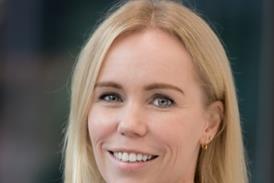
The volume and detail of the data held by insurance companies is a “real opportunity” for risk managers, with unstructured claims data, for example, having the ability to provide “foresight for the future”, according to Alessa Quane, chief executive of international markets at Sompo Group.

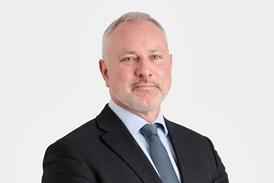
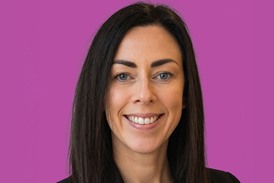
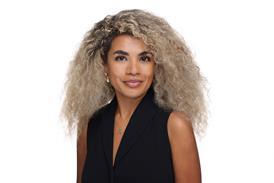
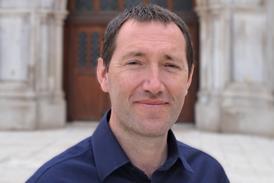
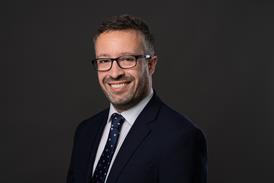
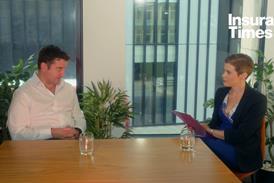
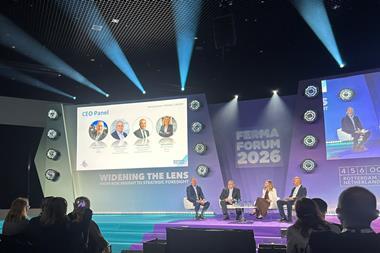
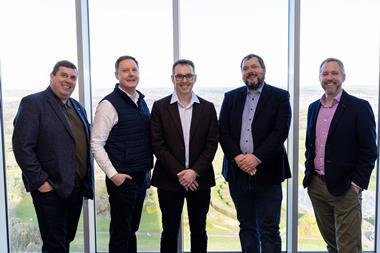
Quane was addressing delegates on the first day of the FERMA Forum 2026 conference (5 October 2026) in Rotterdam, as part of a panel discussion entitled ‘CEO Panel’. She was joined by Christian Kanu, chief executive at Generali Global Corporate and Commercial, Luciano Cirina, chief executive of international commercial at Zurich Insurance Group, and session moderator Laurent Nihoul, Ferma chief executive.
As part of this conversation, Nihoul commented that no one organisation has the ability to understand the full global risk picture – but, insurers are uniquely placed to collate expertise on global exposures and trends, helping to predict future risks, because of the extensive data that they hold on commercial clients and their claims.
Quane observed that insurers still have not fully “harnessed the power” of this dataset.
She explained: “We have a lot of data and we haven’t harnessed the power of it. With the more powerful artificial intelligence (AI) tools that are available, there is a lot more opportunity for us to really use that information.
“We have all this unstructured data in claims files. So much more powerful than just the triangles you would use to predict what’s happening and we’ve never really had the opportunity to fully mine and harness that all of that information that’s in there to help us and our clients better understand the risks that are there.
“As you think about foresight for the future, it is a real opportunity for our industry to take that historical information and use it to the benefit of our partners and clients.”
Kanu agreed: “We have a strong expertise in managing data as an industry, so we should leverage that. The expertise that [insurers] have built on managing risk and exposure over the last few centuries is something that [only we have], so we should definitely leverage that and make it available to the entire world.”
Interconnected insights
The potential insights available from this kind of data is becoming even more important as insurers attempt to pivot from covering individual risks to offering propositions that can handle today’s interconnected risk landscape.
Read: Closing protection gaps requires a longer-term view of risk
Read: Aon unveils diagnostic tools to help clients prioritise property and casualty risks
Explore more risk management-related stories here, or discover more news here
For Quane, a key consideration here is around business ecosystems and the fact that “the largest risks in your own portfolios may not be an asset or a process that you actually own. It could ultimately be something that that you’re dependent on”, such as a cloud provider or “logistics channel”.
Quane added that properly exploring these third parties is “so much more than [a] check box exercise” – it comes down to “really understanding what is their interconnectedness, their ability to manage that and then your ability to feel good about the fact that they will be there, that they will be resilient”.
The interconnection of risks infiltrating today’s global environment is something insurers are spending “a lot more time thinking about”, Quane continued, “because it changes the landscape of the protection that we’re providing and the service that we’re giving you as well”.
Cirina agreed with Quane, emphasising that interconnected risks are not only a “risk management pillar”, but a “strategic pillar” for international businesses today – he believes that the “transactional nature” of insurance needs to be swapped with “a real partnership” between insurers and corporates, “making sure the long-term vulnerability is taken care of by reducing it, but also by preparing ourselves for whatever comes [next] together”.
He continued: “As an industry, we are still focusing too much on the risk transfer part or the holy season of renewal. In reality, we need to focus not so much on the individual risks, [but] much more [on the fact that] businesses are interconnected.”











No comments yet