





















‘As businesses continue to evolve, brokers need confidence that they can choose the right covers quickly and easily,’ says head
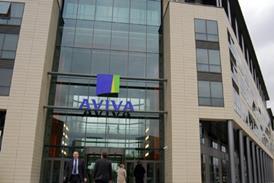
Aviva has announced changes to its commercial combined insurance propositions, aimed at introducing a “modular approach” which will allow brokers to “choose the covers their customers need, without unnecessary complexity”.

The firm said that a series of covers – within its employers’ liability, public and products liability, contents and stock, legal expenses and money insurance products – had been made optional, allowing customers to better specify the protection they require.
Aviva said the changes represented the completion of its “transition from a traditional packaged policy to a flexible digital product”.
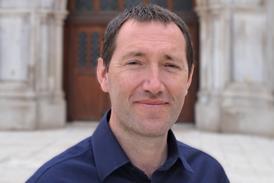
Chris Whiting, head of SME optimisation at Aviva, said: “Completing the transformation of our commercial combined product is a significant step forward in how we support brokers.
”It gives them a fully flexible, modern policy that can be built around each client’s unique needs.”
Step forward
The firm stated that since the beginning of the modularisation efforts in August 2025, more than 30% of new business and renewals policies had made use of the modular cover selection options.
Read: MGA appoints Liberty veteran as new PI leader
Read: Charities urged to maintain cover as risks and demand increase
Explore more commercial lines-related content here, or discover more news here
It also reported that this had resulted in a “strong uplift in quote rates”, as well as a 32% increase in conversion and improved customer retention.
“We’ve seen fantastic engagement from brokers throughout this journey and that momentum is reflected in our improved conversion rates and positive broker sentiment.
“As businesses continue to evolve, brokers need confidence that they can choose the right covers quickly and easily, whether trading digitally or with the support of our underwriting team. And that’s exactly what our fully flexible commercial combined proposition and our hybrid trading model are designed to deliver.”

He graduated in 2017 from the University of Manchester with a degree in Geology. He spent the first part of his career working in consulting and tech, spending time at Citibank as a data analyst, before working as an analytics engineer with clients in the retail, technology, manufacturing and financial services sectors.View full Profile





























No comments yet