










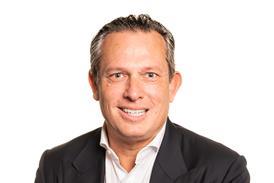










‘As automation transforms the industry, 14% of roles and 23% of total headcount are at risk of severe disruption from AI and automation,’ says head
With the insurance industry increasingly transformed by the adoption of artificial intelligence (AI), firms must focus on developing three distinct talent profiles to stay ahead of the sector’s evolution.

This is according to a new report from insurance broker and risk advisor Aon, released on 20 March 2026 and titled Three Roles to Build Insurance’s Next-Generation Workforce.
According to research conducted by the World Economic Forum and Aon, some 43% of today’s currently manual insurance tasks are expected to be automated by 2030 – and some 97% of insurers said they were currently accelerating their adoption of AI automation.
Furthermore, according to Louisa Blain, head of insurance for human capital at Aon, “as automation transforms the industry, 14% of roles and 23% of total headcount are at risk of severe disruption from AI and automation”.
Critical roles
In the face of such structural changes, the report identified three “critical role clusters” – reimagined insurance practitioners, industry futurists and change orchestrators.
Read: Destination Insurance – Talent situation ‘a lot better than it was’, yet education lags behind
Read: IUAD welcomes Aon leader to campaign board
Explore more talent related articles here, or discover more news here
Next generation insurance practitioners, Aon explained, will fill the traditional technical roles of underwriters, claims handlers and actuaries, while becoming increasingly comfortable working with AI-support and in hybrid cross-functional teams.
Futurists, meanwhile, will focus on translating emerging risks into actionable business insight, bridging disciplines such as data science, tech and product roles to help practitioners apply their real-world solutions to rapidly evolving landscapes.
And change orchestrators, the report said, will be responsible for driving organisation-wide adoption of new technologies and working practices, from the cultural to the technological.
Speaking on the importance of such change orchestrators, Rupert Moore, chief executive of APAC reinsurance at Aon, said: “Change is happening faster than ever. Strong leadership remains one of the most powerful levers for driving culture change, signalling the behaviours and mindset needed for transformation.”

He graduated in 2017 from the University of Manchester with a degree in Geology. He spent the first part of his career working in consulting and tech, spending time at Citibank as a data analyst, before working as an analytics engineer with clients in the retail, technology, manufacturing and financial services sectors.View full Profile


























No comments yet