







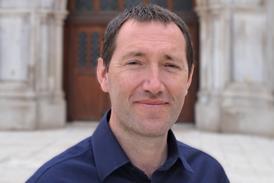















‘Hard surfaces like our driveways and rooftops disrupt the natural hydrological cycle and stop water soaking in,’ says professor
UK homeowners could be “sleepwalking into a flooding crisis”, new research from Flood Re has revealed.

The research, released yesterday (19 May 2026), suggested that the addition of hard surfaces to green areas – such as the paving of gardens – is contributing to the rapid growth of surface water flooding by overwhelming drainage systems.
The study found that five millimetres of rain falling onto a 20 square metre paved garden can result in 100 litres of runoff – the equivalent of a bathtub of water – being added to drainage systems, the cumulative effect of which can overwhelm current infrastructure.
Dr Peter Melville-Shreeve, associate professor at the University of Exeter, explained that intense rainfall alone does not cause flooding, but that “hard surfaces like our driveways and rooftops disrupt the natural hydrological cycle and stop water soaking in”.
“We’ve been conducting research into cities around the world that have been addressing this challenge. In each case, slowing water down at source – in green spaces, gardens and around homes – can be one of the simplest and most effective ways to manage rainwater and reduce downstream flood risk,” he added.
Slow, store and absorb
Flood Re said awareness over the heightened risk needs to be raised, with average flood repairs bills now standing in excess of £30,000.
Read: SSP plans organisational restructure to streamline service
Read: Will the CMA cap for UK vet prescription fees fix the ‘broken’ pet insurance market?
Explore more personal lines-related stories here, or discover other news stories her
Kelly Ostler-Coyle, director of corporate affairs at Flood Re, said: “Our Flood Re: Contain the Rain garden shows how the choices we make in our outdoor spaces can either add to the problem or become part of the solution. Hard surfaces send water racing into drains, but greener, more permeable designs help slow, store and absorb it.
“When these choices happen across a whole street, they make a meaningful difference. Flood Re plays a vital role in keeping insurance available and affordable, but inspiring people to reduce risk at source – starting with their own gardens – matters just as much for the long-term.”

He graduated in 2017 from the University of Manchester with a degree in Geology. He spent the first part of his career working in consulting and tech, spending time at Citibank as a data analyst, before working as an analytics engineer with clients in the retail, technology, manufacturing and financial services sectors.View full Profile


























No comments yet