





















‘Heat-related employer liability claims are most likely to arise where risks were foreseeable but not managed,’ says senior associate
Businesses could face an increased risk of employer liability claims during this week’s heatwave if they fail to take reasonable steps to protect staff, according to legal experts.
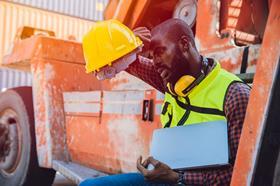
The warning comes as temperatures are forecast to reach 38°C in parts of the UK and an amber heat-health alert remains in place.
Fiona McEwan, senior associate at Clyde and Co and member of the Forum of Insurance Lawyers (FOIL), said heat-related claims were most likely to arise where employers and failed to manage foreseeable risks.
“Heat-related employer liability claims are most likely to arise where risks were foreseeable but not managed,” she said.
“In practice, that can mean prolonged exposure to high temperatures without adequate breaks, hydration or ventilation.”
McEwan added that employers were expected to respond to changing conditions during periods of extreme heat and warned that failing to adapt working practices could be viewed as a breach of duty, particularly in sectors such as construction, logistics and manufacturing
Managing exposure
The legal test for employers remains one of reasonableness, but McEwan stressed that evidence would be critical when defending any future claims.
Read: Cargo insurance platform launches AI data extraction tool
Read: Escape of water caps leaving policyholders exposed – Prestige Underwriting
Explore more risk management related content here, or discover more news here
“Employers who can demonstrate that they assessed the risk, implemented proportionate measures, and kept those steps under review will be in a far stronger position if claims arise,” she said.
Meanwhile, Kay Chand, parter at Browne Jacobson, highlighted employers’ obligations under the Health and Safety at Work Act 1974, noting that while there is no statutory maximum workplace temperature, employers must maintain a working environment that is safe and without risks to health, so far as is reasonably practicable.
“Providing access to cool drinking water, allowing additional rest breaks, providing shade for outdoor workers and rescheduling strenuous tasks to cooler parts of the day can make a meaningful difference both to worker wellbeing and to an employer’s legal position,” she said.
She added that employers should ensure they can evidence suitable and sufficient risk assessments as temperatures continue to rise.

With a background in local journalism, she has previously worked as a freelance reporter covering community stories and gaining valuable on the ground experience.View full Profile




























No comments yet