





















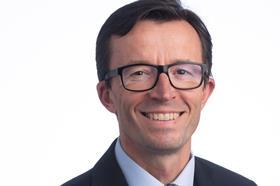
‘We treat a hot summer as a novelty rather than a hazard. But globally, heat kills more people each year than floods, earthquakes and hurricanes combined,’ says chief executive
Extreme heat is emerging as an “underrated risk” for the UK insurance and infrastructure landscape, with Swiss Re warning that rising temperatures are exposing gaps in how homes, transport networks and public services were originally designed.
As heatwaves become more frequent and severe, insurers are being urged to rethink how they price and manage climate-related risk.
Jason Richards, Swiss Re’s chief executive for P&C (re)insurance in the UK and Ireland, said: “Heat is an underrated risk in Britain, because we tend to think of Britain as having a wetter climate.
“We treat a hot summer as a novelty rather than a hazard. But globally, heat kills more people each year than floods, earthquakes and hurricanes combined.”
He added that the UK’s infrastructure was not built to cope with rising temperatures, with heatwaves putting strain on energy networks and hospitals while increasing subsidence risks as clay soils dry out beneath homes.
The Swiss Re Institute’s 2025 Sonar report found extreme heat was becoming more frequent, longer lasting and more severe as global temperatures rise, with implications across property, health, agriculture and financial markets.
It also estimates that heat-related mortality far exceeds that of floods, earthquakes and hurricanes combined, and highlights Europe as particularly exposed due to infrastructure built for historically cooler climates.
Insurance role in climate adaptation
Richards said the insurance sector has a critical role in helping societies manage and reduce heat-related losses, from pricing risk accurately to encouraging investment in more resilient infrastructure and covering unavoidable damage.
Read: Campaigners stage Lloyd’s protest over Coral Triangle gas projects
Read: E-cigarette fires increase by a third in 2025 despite disposable vape ban
Explore more ESG-related news here, or discover other news stories here
However, he stressed that insurance alone cannot prevent losses, with adaptation in planning, construction and urban design needed to reduce exposure to future heat extremes.
He said: “Insurance pays for damage after it happens. Reducing the risk beforehand – chiefly through how and where we build – matters more”
As heatwaves intensify, the focus must shift from response to prevention, with greater emphasis on resilient building standards, long-term infrastructure planning and proactive climate adaptation strategies to limit rising insured losses.

With a background in local journalism, she has previously worked as a freelance reporter covering community stories and gaining valuable on the ground experience.View full Profile






















No comments yet