





















MGAs have cemented their place at the heart of insurance distribution, driven by specialist expertise, agility and strong broker relationships. But as the sector continues to grow, can it maintain the qualities that fuelled its success while avoiding the pitfalls of rapid expansion – and what will it take to thrive over the next five years?
WE ASKED: “Having solidified as an integral part of insurance distribution, how can the MGA sector retain its advantages and continue to develop across the next five years?”
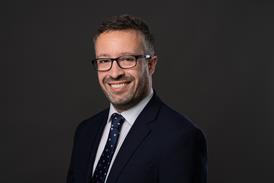
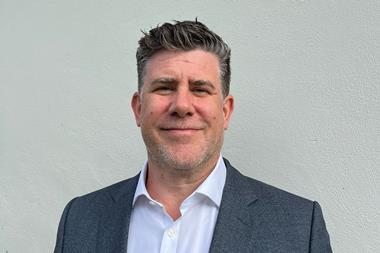
Joel Markham, director of delegated authority partnerships, commercial, at Axa Insurance UK

Axa UK’s experience in the MGA sector is unrivalled and we have a sharp focus on what’s happening in the current soft market and what the future looks like. We’ve worked with MGAs for more than four decades – one of our partner relationships has endured for 38 years – and we know the importance of consistency and stability.
One of the big advantages of MGAs is their ability to be fleet of foot and respond more quickly than legacy insurers to changing customer needs.
This is likely to be even more important over the next five years with global issues including climate change, geopolitical instability and cyber risks all impacting the insurance sector.
Axa’s annual Future Risks Report highlights the key concerns for insurance experts and the general public, which helps us anticipate issues on the horizon. Working with MGAs enables us to strengthen our customer offering and respond effectively in an ever-changing world.
However, the fast growth of the MGA sector – estimated to be 20 per cent year-on-year – could lead to a return of the boom and bust we witnessed a few years ago, where MGAs prioritised short-term growth over profitability at their cost. Good underwriting discipline, strong data and supportive distribution are the key to longevity.
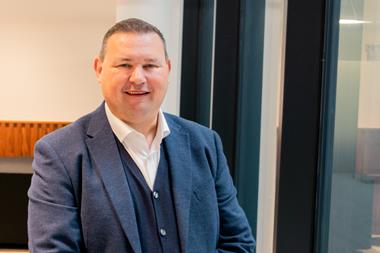
Barry Reynolds, executive director at Verlingue London Markets

MGAs have firmly established themselves as a core part of insurance distribution by combining underwriting expertise, speed and close broker relationships.
In many respects, they are recreating a modern version of the traditional Lloyd’s trading model – bringing together specialist underwriting, flexible capacity and access to niche risks within an agile, delegated framework delivered in many cases on a subscription basis.
MGAs will continue to evolve and the outlook is strongly positive. Lloyd’s reports delegated underwriting now represents around 45% of its premium income, while global MGA premium growth continues at pace. This reflects a structural shift towards specialist, capital-efficient distribution.
To build on this momentum, successful MGAs will balance growth with underwriting discipline, clear product governance and demonstrable value to capacity providers with excellent service delivered to the broking market.
Investment will remain a critical part of their development particularly in underwriting talent, data analytics and claims insight, which will ensure that speed is matched by quality.
Ultimately, MGAs are well positioned to shape the next phase of the market, combining the best of Lloyd’s heritage with modern data, distribution and underwriting precision.
Mandeep Baura, partner, insurance deal advisory, at KPMG UK
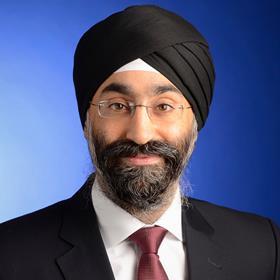
The MGA market is not only well established, but also in huge demand and still growing. I see no hint of a slowdown over the next five years.
We continue to see strong inward investment, particularly from the US. Private equity backed firms want access to the London insurance market and MGAs are an attractive way in.
The fundamentals that make them so appealing to investors will remain. They tend to focus on specialist niches controlling distribution in those spaces, have recurring revenues and don’t take on balance sheet risk, so they are relatively capital light. Valuations and investor appetite for well-run MGAs remains healthy.
As AI and technology changes the way we live and work, it drives demand for new forms of cover. We’ve worked with MGAs in all sorts of niches from transaction risk, event cancellation, renewable energy and commercial vehicle to golf, DJs and drones. Some use cutting edge technology to make informed underwriting decisions, which in turn means they can be agile in their pricing.
Further, the market environment is presenting opportunities for MGAs to diversify and grow capacity. Some MGAs are benefiting from the soft market in terms of greater access to capacity from insurers looking to protect growth.
However, not every firm will flourish. MGAs will need to focus on maintaining their edge, whether through distribution or product innovation whilst retaining underwriting discipline.
The temptation to grow rapidly can be an Achilles heel if it results in adverse profitability and loss of carrier support.

With a background in local journalism, she has previously worked as a freelance reporter covering community stories and gaining valuable on the ground experience.View full Profile






























No comments yet