























Influencers, creators and entrepreneurs are accumulating wealth in ways that challenge traditional HNW underwriting, raising questions about how insurers should respond to greater public visibility, evolving asset profiles and the growing overlap between personal and business risks
WE ASKED: ”What new risks and solutions can the HNW market respond with to the rise of influencer, creator and entrepreneur wealth?”
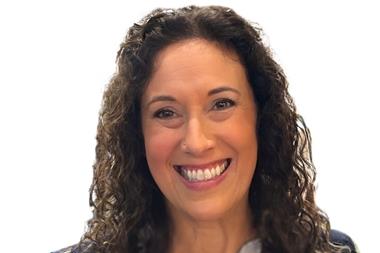
Helena Evans, managing director at Criterion
The profile of HNW wealth is evolving. Alongside more traditional forms of wealth, influencers, creators and entrepreneurs are building significant wealth, often with a greater proportion reflected in designer fashion, watches, jewellery and technology.

That creates a different insurance challenge.
Getting sums insured right is fundamental. A wardrobe built up over a few years can represent substantial value, yet clients may not necessarily think of it as a “collection”.
The pre-owned market adds another dimension, particularly where limited edition or discontinued pieces may be worth considerably more than their original retail price.
Social media also changes the risk. Sharing our homes, possessions, purchases and travel has become part of everyday life.
For creators, that visibility can also be part of their livelihood, but it can unintentionally reveal valuable assets, routines and when a property may be unoccupied.
From a Criterion perspective, the challenge is ensuring the claims response keeps pace with this changing profile of wealth. Claims involving designer and collectible goods increasingly require specialist knowledge of authentication, provenance, condition and current market value.
Getting to the right outcome means understanding these markets and recognising that value isn’t always as straightforward as the original purchase price.
HNW has always been about understanding the individual behind the policy. As wealth evolves, that understanding becomes more important, not less.
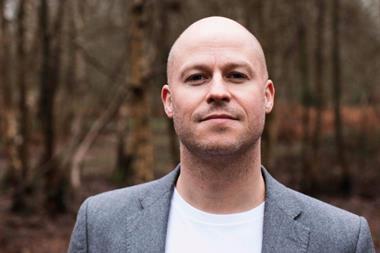
Matthew Ashton, co-starter and director at Stanhope Cooper

Influencers, creators and entrepreneurs typically have a different risk profile to traditional affluent clients.
Their wealth can be generated, and lost, quickly, tied to personal brands, digital assets, intellectual property and online businesses. Their public visibility can increase exposure to cybercrime, identity theft, fraud, reputational risks and targeted theft.
We are seeing a growing overlap between personal and commercial risks where a creators personal and work life merge.
A creator’s home may double as a studio, valuable equipment may be used for business purposes and social media activity can unintentionally increase security concerns by broadcasting lifestyle, travel plans or high-value possessions.
The HNW market’s response should move beyond traditional ‘any and all influencer business is too high risk’ to underwriting each influencer and creator on a case-by-case basis.
Whilst some influencers pose too great a risk for insurers, others may pose no increased risk when compared to other occupations. A broker worth their salt will understand the client and their habits prior to solution finding.
If we want to push the boat out, we could suggest insurers to offer tailored cyber protection, specialist cover extensions for digital assets, enhanced security advice and policies that recognise the blurred lines between personal wealth and entrepreneurial activity, such as general liability cover.
However, we’d be wise to wait and see what happens to the influencer market – much is being written about the declining performance of ‘fake authenticity’ with influencer backed selling declining due to public fatigue.
If we step back, I think there’s a wider point to consider here. As wealth creation continues to evolve, brokers that take the time to understand how clients earn, grow and showcase their wealth, and insurers in touch with cultural shifts, will be best placed to provide relevant protection.
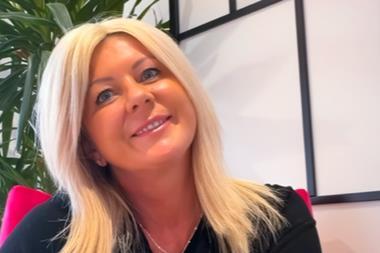
Lisa Berry, senior underwriter at Bspoke Private Clients
The rise of influencers, creators and entrepreneurs is creating a new kind of HNW risk.

This is often a younger generation creating wealth in new ways. What they consider valuable doesn’t necessarily fit the traditional HNW mould of fine art and jewellery and the boundaries between someone’s home, business and personal identity are increasingly blurred.
Their public profile creates another consideration. Sharing homes, possessions, travel and aspects of everyday life online can potentially increase vulnerability, so education around social media activity, online security and wider risk awareness is increasingly important.
There is no one-size-fits-all solution. We need to work closely with brokers and their clients to understand the intricacies of how that individual lives, works and what they consider valuable. That means detailed conversations about their lifestyle, activities, possessions and exposures, alongside regular professional valuations where appropriate.
Ultimately, HNW insurance has to evolve beyond traditional definitions of wealth. Understanding the person behind the policy, and helping them understand their own risks, is key to providing the right protection.
Source
Influencers, creators and entrepreneurs typically have a different risk profile to traditional affluent clients.
Their wealth can be generated, and lost, quickly, tied to personal brands, digital assets, intellectual property and online businesses. Their public visibility can increase exposure to cybercrime, identity theft, fraud, reputational risks and targeted theft.
We are seeing a growing overlap between personal and commercial risks where a creators personal and work life merge.
A creator’s home may double as a studio, valuable equipment may be used for business purposes and social media activity can unintentionally increase security concerns by broadcasting lifestyle, travel plans or high-value possessions.
The HNW market’s response should move beyond traditional ‘any and all influencer business is too high risk’ to underwriting each influencer and creator on a case-by-case basis.
Whilst some influencers pose too great a risk for insurers, others may pose no increased risk when compared to other occupations. A broker worth their salt will understand the client and their habits prior to solution finding.
If we want to push the boat out, we could suggest insurers to offer tailored cyber protection, specialist cover extensions for digital assets, enhanced security advice and policies that recognise the blurred lines between personal wealth and entrepreneurial activity, such as general liability cover.
However, we’d be wise to wait and see what happens to the influencer market – much is being written about the declining performance of ‘fake authenticity’ with influencer backed selling declining due to public fatigue.
If we step back, I think there’s a wider point to consider here. As wealth creation continues to evolve, brokers that take the time to understand how clients earn, grow and showcase their wealth, and insurers in touch with cultural shifts, will be best placed to provide relevant protection.

With a background in local journalism, she has previously worked as a freelance reporter covering community stories and gaining valuable on the ground experience.View full Profile



























No comments yet