























‘The Middle East conflict and Strait of Hormuz closure is just the latest in a series of severe interruptions to hit shipowners and cargo operators,’ says chief executive
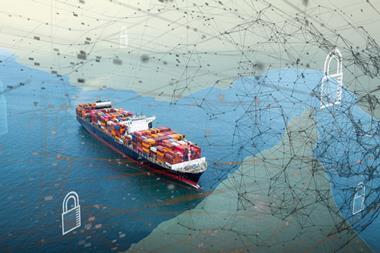
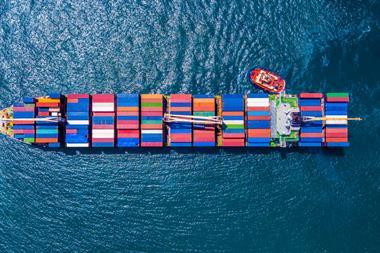
Approximately 1,150 cargo-carrying vessels are currently trapped in the Persian Gulf, unable to traverse the Strait of Hormuz as a result of ongoing military activity in the US-Iran war.
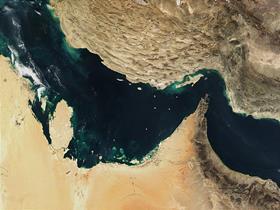
This is according to the latest Safety and Shipping Review from insurer Allianz Commercial, which highlighted that the blockade means some $125bn (£93bn) of vessel and cargo value is currently inactive.
The report suggested that the increasing number of incidents and closures of global shipping routes was creating a “new maritime order”, defined by “escalating security risks along strategic shipping corridors, the disruption of established trade routes, persistent uncertainty, higher risk premiums and a greater strategic emphasis on resilience over pure cost efficiency”.
The recent developments run in contrast to the steadily improving safety record of the shipping industry, which in 2025 saw a 16% year-on-year decrease in incidents, with just 2,818 logged globally.
Moreover, there were just 350 total losses of cargo vessels with gross tonnages of over 100 in the past five years, down from 555 in the five years prior.
Fundamental transformation
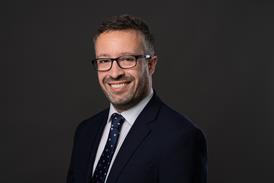
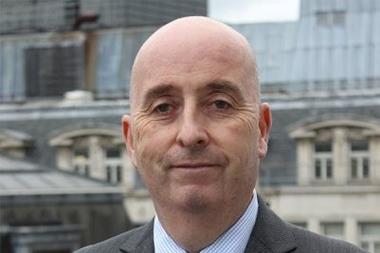
Thomas Lillelund, chief executive at Allianz Commercial, said: “Our analysis shows the shipping industry has made significant improvements in maritime safety in recent years.
Read: McLarens warns of cyber-physical BI gaps and data centre exposures
Read: Gallagher appoints two chief executives for specialty division
Explore more commercial lines content here, or discover other news stories here
“However, it has also undergone a fundamental transformation, from decades of relative stability, defined by steady trade flows and largely predictable operating conditions to becoming increasingly complex and volatile.”
He continued: “The Middle East conflict and Strait of Hormuz closure is just the latest in a series of severe interruptions to hit shipowners and cargo operators.
“Resilience, geopolitics, and efficiency must be balanced in an increasingly unpredictable world, where the cost of uncertainty is reshaping the shipping industry.”

He graduated in 2017 from the University of Manchester with a degree in Geology. He spent the first part of his career working in consulting and tech, spending time at Citibank as a data analyst, before working as an analytics engineer with clients in the retail, technology, manufacturing and financial services sectors.View full Profile




























No comments yet