

























While AI is becoming more valuable to insurance firms, customers feel it is essential that the human touch remains in claims
As insurers grapple with rising pressure to deliver faster while ensuring accurate outcomes, artificial intelligence (AI) is quickly becoming a strategic imperative, especially when it comes to claims.

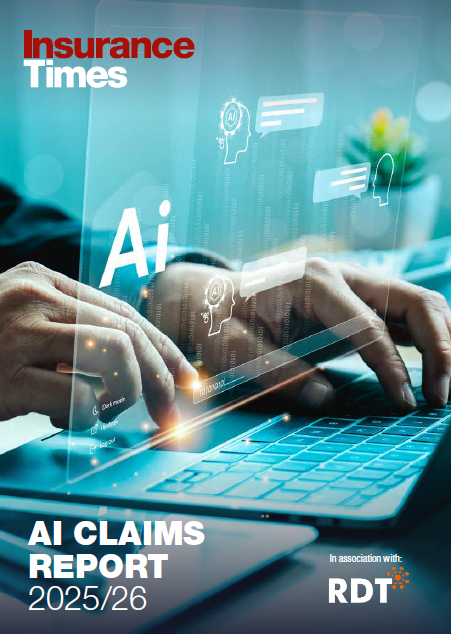
According to Insurance Times’ AI claims survey, which gathered insights from 250 professionals during Q3 2025, 38% are using AI in the claims process, while another 38% are testing it or using pilot tools.
Meanwhile, 13% said they were planning to use the technology, while just 8% said they had no plans to use it.
Examples of AI’s use in claims have been highlighted in the industry – for example, Aviva explained in March 2026 how it was using AI to introduce a “virtual agent” that can handle claims journeys that start on the phone.
“We’re sort of using [AI] right across the business,” the insurer’s chief executive Amanda Blanc said.
“We’ll talk today about a virtual agent, so agentic AI, where most of our claims start on the phone.
“The plan is, by the summer, we will have a virtual agent able to take a more simple claims call from beginning to end.”
Data shows humans valued
So, there is no doubt surrounding the importance of AI to insurance firms, given there is a risk of being left behind if not implemented properly.
Read: Insurance firms must utilise AI and not make Microsoft Office mistakes
Read: Consumers will pay to avoid AI in claims – and the youngest are most willing
Explore more artificial intelligence related stories here, or discover other news stories here
However, insurers must remember that customers value human interaction, especially when it comes to claims.
For example, according to research done by technology advisor Ensono, 56% of UK consumers prefer to speak to someone over the phone about their insurance.
Carried out in 2023, the research surveyed 500 UK insurance customers, asking them to rank their preferred channels for interacting with their insurer.
Meanwhile, according to research from professional services network KPMG, provided exclusively to Insurance Times on 27 April 2026, consumers remain deeply sceptical of the technology, with just 36% saying they would accept a fully automated claims handling process in return for cheaper cover.
Young policyholders held the greatest aversion to AI, with 66% of 18 to 24-year-olds stating they were willing to pay more for guaranteed human involvement in claims handling, compared to 55% of 24 to 44-year-olds and 31% of over 65s.
How to use AI in claims
Based on these statistics, it is unlikely that trust will remain if AI overhauls claim processes completely and this could deter customers from going with a certain organisation.
Therefore, it is essential that the human touch remains in claims. However, it is imperative that AI is not forgotten about, given its strategic importance to the industry.
And it is best used by having it enhance decision making, with AI helping claims professionals deliver efficiency, accuracy and transparency instead of taking over.
This could, in turn, see AI help build trust between insurers and customers, which will end up being a win-win for the industry.

His career began in 2019, when he joined a local north London newspaper after graduating from the University of Sheffield with a first-class honours degree in journalism.
He took up the position of deputy news editor at Insurance Times in March 2023, before being promoted to his current role in May 2024.View full Profile



























No comments yet