






















’Let’s say for 12 months all these boats cannot leave the Persian Gulf and are trapped – in that case that could lead to substantial losses for the insurance industry,’ says senior vice president
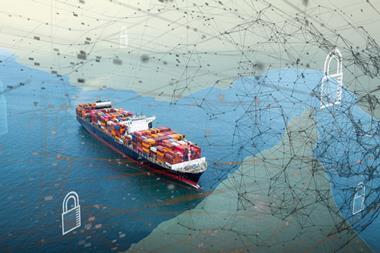
Marine insurers could face significant long-term losses if vessels remain stranded in the Persian Gulf.
This is according to Benjamin Serra, senior vice president of financial institutions at Moody’s Ratings, who was speaking during the global credit rating agency’s webinar entitled ‘Insurance Unlocked: Stability, risks, and what comes next’ on 12 March 2026.
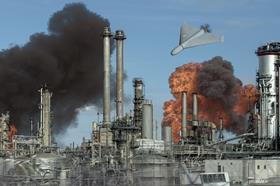
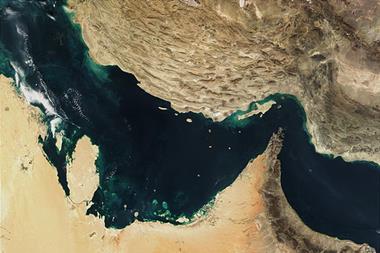
During the panel, Serra explained that one of the greatest potential losses for marine insurers is the 1,000 vessels reported to be trapped in the Persian Gulf in Iran since the war broke out on 28 February, when the US and Israel carried out coordinated military strikes on Iran.
He explained that half of the ships are reported to be oil and gas tankers alongside some 100 to 150 container ships.
According to the Lloyd’s Market Association (LMA), the insured exposure could exceed $25bn (£20bn) and potentially reach $40bn (£32bn).
Serra explained that with the prolonged supply chain disruption in the Persian Gulf, even if “boats are not attacked” the policyholder could still “claim total loss” for vessels trapped for a typical clause length of 12 months.
While an insurer can place exclusions once a war has broken out, he noted that a contract covering a ship which has started its voyage between two harbours cannot be altered at all.
Serra added: “The risk for the insurance industry, especially for marine insurers, is that the conflict lasts for a very long period of time.
“Let’s say for 12 months all these boats cannot leave the Persian Gulf and are trapped – in that case that could lead to substantial losses for the insurance industry.”
Concentrated risk
Serra also said that marine insurance is at greater risk from a large-scale catastrophe as it is a “more concentrated market”.
Read: Brokers warned as Middle East tensions push war risk premiums up 60% – GlobalData
Read: What are brokers most concerned about in 2025?
Explore more marine-related content here, or discover more news here
He told delegates that this scenario differs from previous similar scale events such as the Florida hurricanes in 2024, which was absorbed by the global reinsurance industry.
He said it is the sizable events that the industry would not expect to be a threat as they can be “absorbed by very large global insurance and reinsurance companies because they are diversified and have strict limits”.
For the more “specialised players”, however, Serra warned that the impact could be far “higher”.

She joined the title after completing a Master's degree in Journalism in 2025, having previously graduated with a degree in English Literature.View full Profile

























No comments yet