

















‘If safety is the promise of automated vehicles, transparency is what will build trust,’ says vehicle technology manager
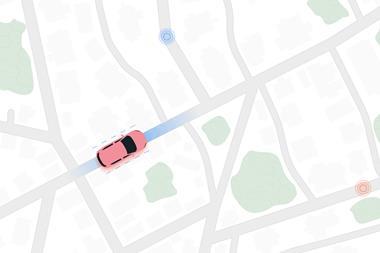
While the government is making welcome progress on the development of its Automated Vehicles Act, more work needs to be done to develop the high level of public trust required to ensure the success of autonomous vehicles.
This is according to Thatcham Research, which also warned that, without clearer guidance on insurance and liability frameworks, the public may be reluctant to adopt self-driving cars at scale.
Indeed, a recent study by Thatcham Research found that while 67% of drivers say accident reduction is the biggest predicted benefit of self-driving cars, 58% plan to wait for the technology to mature before buying an autonomous vehicle.
The comments follow yesterday’s (17 June 2026) publishing of the government’s draft statement of core safety principles regarding autonomous vehicles, following a recent public consultation on the matter.
The draft statement of safety principles will now undergo another public consultation before being laid before Parliament, which must approve the bill before any new laws come into effect.
Critical step
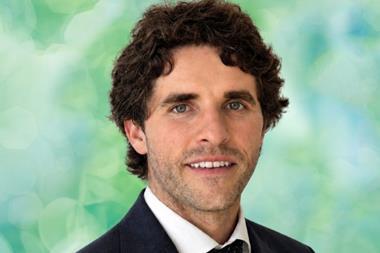
Tom Leggett, vehicle technology manager at Thatcham Research, said: “The question of who pays when an automated vehicle crashes has been asked for years. Right now, the answer is simple – everyone does.
Read: Car and home insurance customers save £100m as instalment costs fall
Read: Telematics key to reducing high claims rates among new drivers – Aviva
Explore more motor-related content here, or discover other news stories here
“But for insurers to price risk fairly and keep cover affordable, they need clarity. The government’s work on safety principles is a critical step, because it begins to define what safe looks like in practice. But those principles must translate into clear, measurable standards that everyone can understand.”
He continued: “Today, there is no universally agreed definition of a “careful and competent” driver. Safety performance can vary significantly depending on how and where it is measured, making like-for-like comparison difficult.
“That challenge is compounded by the data itself, and importantly, who owns it. If safety claims are not independently verifiable, it becomes harder to build confidence in the technology. If safety is the promise of automated vehicles, transparency is what will build trust.”

He graduated in 2017 from the University of Manchester with a degree in Geology. He spent the first part of his career working in consulting and tech, spending time at Citibank as a data analyst, before working as an analytics engineer with clients in the retail, technology, manufacturing and financial services sectors.View full Profile






















No comments yet