

















‘The marine hull market is operating in an increasingly complex environment brought about by ageing fleets, rising repair costs, geopolitical disruption and regulatory pressure,’ says head
Specialty (re)insurance group Chaucer has partnered with maritime predictive analytics firm Ceto AI for the launch of a new Lloyd’s-backed marine MGA.

The partnership, which will see Ceto authorised to bind marine hull risks on behalf of Chaucer’s Lloyd’s syndicate, will be supported by additional capacity provided by Tokio Marine Kiln.
Chaucer stated that Ceto would use “high-frequency vessel machinery and performance data to inform underwriting decisions”, highlighting that the average age for a vessel in the global fleet was now over 22-years-old.
It also said that the new MGA’s launch marked a “significant development in the application of real-time operational data within the Lloyd’s marine market, introducing a data-led underwriting model designed to enhance risk selection and accurately reflect the condition and performance of insured vessels”.
The new venture will make use of Ceto’s Watchkeeper platform, a machinery monitoring and predictive performance insights product.
Historic data
Tony Hildrew, founder and chief executive at Ceto, said: “Marine insurance has historically relied on static information and historic loss data, despite vessels generating vast amounts of operational data every day.
Read: Lloyd’s ‘sunsets’ name and original vision of Blueprint Two after review
Read: Lloyd’s of London is ‘a highly compelling platform for third party capital’
Explore more London market-related content here, or discover more news content here
“Working alongside Chaucer and Tokio Marine Kiln allows us to apply this capability within a disciplined, established market framework.”
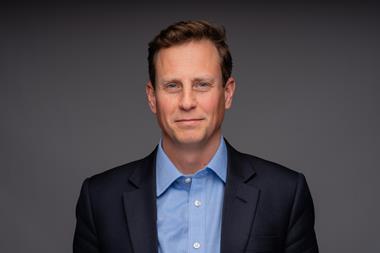
James Irvine, head of global marine hull lines at Chaucer, added: “The marine hull market is operating in an increasingly complex environment brought about by ageing fleets, rising repair costs, geopolitical disruption and regulatory pressure.
“Access to high-quality, real-time operational data represents a meaningful evolution in underwriting discipline. Ceto’s approach provides greater visibility into how vessels are actually performing, allowing underwriters to assess risk based on live condition rather than historic proxies alone.”

He graduated in 2017 from the University of Manchester with a degree in Geology. He spent the first part of his career working in consulting and tech, spending time at Citibank as a data analyst, before working as an analytics engineer with clients in the retail, technology, manufacturing and financial services sectors.View full Profile






















No comments yet