






















The evolving capabilities of AI tools are changing the nature of insurance fraud, and, as one expert tells Insurance Times, redefining the ’speed and ease with which fraudsters can find, create or amend digital evidence’
In monetary terms, insurance fraud is a vast and growing problem. Indeed, ABI research revealed that in 2024 – the latest full year for which there is available data – some £1.16bn of fraudulent general insurance claims were detected by UK insurers.

The figure may highlight the scale of the issue, but what it doesn’t do is shed any light on its complexity.
The £1bn in false claims came from 98,400 individual cases – up 12% on the prior year – spread across every conceivable mechanism – from intentional vehicle crashes, fake documentation, ghost broking and, most common of all, small exaggerations.
Adding to the complexity is the rise of technology, most notably artificial intelligence (AI), which in recent years has invigorated a whole subcategory of insurance deception – synthetic fraud.
Synthetic insurance fraud
Synthetic fraud refers to the use of artificially created documentation, media and even identities to dishonestly invent or exaggerate a claim.
Read: Allianz helps shape new fraud NVQ to mitigate skills challenge
Read: Allianz reveals case of broker abusing position as over 34,000 fraud cases identified in 2025
Explore more fraud-related articles here, or discover more news content here
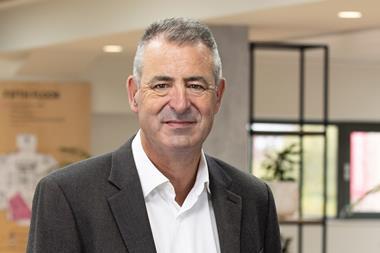
Matt Gilham, director at WhiteElk Fraud Performance Consulting told Insurance Times that the use of fabricated or altered material to support insurance fraud is not new.
“What has changed is the speed and ease with which fraudsters can find, create or amend digital evidence. However, the true underlying frequency of fraudulent evidence, particularly documents, is still not consistently quantified,” he added.
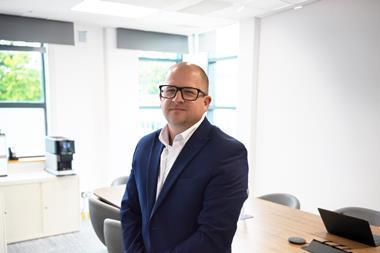
Jon Bethell, head of private clients at Verlingue, agreed that the growing trend for synthetic evidence is a cause for concern. Indeed, he told Insurance Times that the rise of AI in claims fraud was the most heavily underestimated threat the market is facing.
He explained: “People are using AI to create fraudulent claims. An example of this would be, you take a picture of your living room and you ask AI to show that there’s been an escape of water and the roof’s cracked.”
And the dishonesty doesn’t have to be so egregious. As Bethell points out, claims inflation can be as simple as generating a fake receipt – for work done or the purchase or replacement of a covered item – using AI tools.
“If you go to a claims team, particularly at the really big mid-market insurers, they deal with thousands and thousands of claims on a weekly basis. If you fire a fake AI receipt into every single one of those claims, [that fake evidence] will get through because they’re really, really busy,” he said.
Furthermore, Bethell added, verifying these claims in the old-fashioned way is not always possible. While high-value claims will always be attended by a loss adjuster, it is not economically viable to send an inspector to every £2,000 claim.
Managing the issue
Gilham suggested that, while insurers are aware of and responding to the trend, the technological solutions to manage it are not simple.
“In response [to the growing use of synthesised claims evidence], organisations have stepped up capability in image verification and continue to explore document and video validation,” he explained.
“Challenges, however, remain. Insurer processes can impact the effectiveness of these solutions, for example where key metadata is stripped out by how media is submitted and managed.”
He continued: “False positives and false negatives still need careful management, while additional risk signals and workstreams are creating operational pressure for teams already managing fraud indicators from multiple sources.
“We are also seeing the emerging risk of claimants challenging insurer-obtained digital evidence as AI-created or altered, increasing the need for a stronger chain of evidence for digital media.”
However, some in the industry have highlighted the role that AI can play in fighting fraud. Models can be trained to detect falsified images, duplicated submission evidence and metadata inconsistencies, as well as assessing if text evidence in claims submissions have been generated by AIs rather than a human claimant.
Ultimately, like any nascent technology, AI can be used responsibly or abused, and – like they have done for centuries – insurers will have to remain alert and responsive to evolving threats to stay competitive and resilient.

He graduated in 2017 from the University of Manchester with a degree in Geology. He spent the first part of his career working in consulting and tech, spending time at Citibank as a data analyst, before working as an analytics engineer with clients in the retail, technology, manufacturing and financial services sectors.View full Profile




















No comments yet