




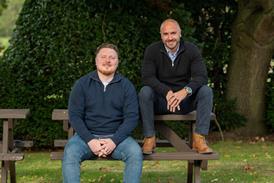



















Upskilling and continuous development is not something that should benefit the entire industry collaboratively rather than competed over, say roundtable attendees
While the insurance industry largely recognises the increased need to upskill its staff in response to changing customer expectations and new technologies, there remains reticence from some firms to actually act.
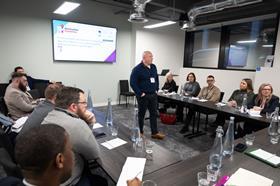
Some of this trepidation comes from smaller brokers and suppliers, which report that their efforts at training staff often seem pointless because larger firms then swoop in, offer higher wages and take these staff away, leaving the smaller firms back at square one.
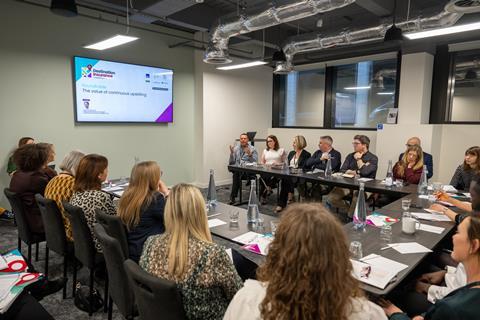
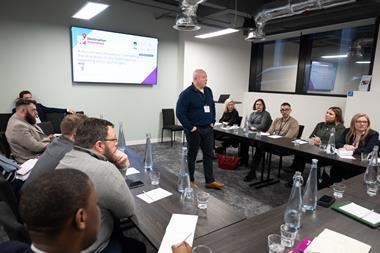
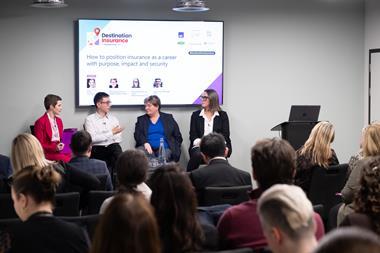
This debate formed part of the discussions during a well-attended roundtable at Insurance Times’ Destination Insurance event last month. The event was led by the Chartered Insurance Institute’s (CII’s) head of research and insight Vanessa Riboloni and discussed how continuous upskilling supports retention, adaptability and performance across the insurance sector.
As the conversation moved on from the value of upskilling, a number of roundtable attendees noted that even though the value of continuous education was clear, there were motivational challenges to overcome for some companies in the sector.
One attendee, who works across the market to provide training programmes for different companies, explained: ”One thing we hear a lot, that is quite sad, is that some of the smaller companies don’t really want to spend money on upskilling to then find that a bigger company with deeper pockets is just going to come along and approach [that newly training individual], offer them a pay rise to move and then get all the benefit of the training without having to pay for it.
”It’s a bit of a catch 22 and can be really difficult for SME brokers to keep up [with the demand for upskilling] when they’re competing with large companies.”
To add to this challenge, another attendee noted that there was an additional cultural pressure originating from staff demand. Many young people joining companies in both insurance and the wider professional economy, they explained, did not have more traditional cultural attitudes and were now more demanding around the need for professional development opportunities.
And while the roundtable agreed that this attitude was mostly positive, there was widespread agreement that the challenges it creates must be faced into.
Cultural benefits
Another attendee at the roundtable said that this problem was something they had also come across in their consulting work and agreed that it was a problem, but emphasised that they believed it was more about changing the way the benefits of upskilling are perceived.
They explained: ”There’s a balance to be found in how we [as insurance companies] see investing in training for younger staff, where we worry that you may lose them to bigger companies, because it also goes the other way.
“If you don’t invest in upskilling your staff, then you’re going to lose them to someone that will anyway. So the question is invest and lose those staff, or don’t invest and lose those staff. At least if you invest in upskilling then that has the impact of demonstrating that you invest in your people, which benefits your culture and may at least increase the odds that talented people will stay put.”
This line of thinking was expanded upon by another attendee, who said they had noticed that those firms that invested in training for their staff were much better at retaining people than those that didn’t – even though they were both faced with the prospect of financially larger companies tempting their staff away.
The attendee, who provided their experience across a range of different sized broker firms and membership in professional organisations as evidence, noted: ”I’ve always seen that the people who end up staying put at brokers are the ones that got the most opportunities to move around different teams, shadow different people and go to networking events, for example.
Read: Insurance industry should not ‘gaslight’ D&I
Read: Insurance should treat its talent problem like ‘eating an elephant’
Explore more talent-related content here or discover other news stories here
”But it’s also important that the managers of these people are trained themselves to know that it’s okay to provide those opportunities and that, long term, upskilling like that is just as useful as doing the day job.”
While upskilling was something that every roundtable attendee agreed was valuable for individuals and the firms they work at, one attendee also acknowledged that it was vital at the macro level and across the entirety of the industry.
They said: ”There has to be an understanding and faith in our colleagues in the industry that other companies are having the exact same problems. One company may have paid to train someone that is now working somewhere else, but it’s likely that someone else may have trained someone that then ends up replacing them.
“It’s a trade off – yes, you are training people for other companies, but they’re also training them for you.”






















No comments yet