





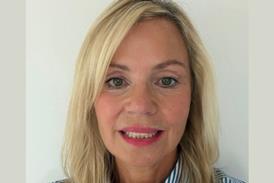















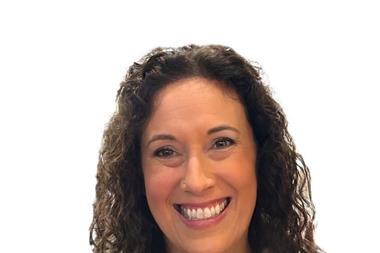
Sharon Brown, founder and chief executive at the Pet and Equine Insurance Association (Peia), discusses the need for a market reaction to the growing threat of fraud
Fraud in pet and equine insurance has, for too long, been sitting on the edge of the wider insurance fraud conversation. But that’s beginning to change.

At Peia, we recently hosted a session with the Insurance Fraud Bureau (IFB) to explore its Pet Insurance Fraud Awareness Guide, as well as the inclusion of pet insurance fraud in its latest Strategic Threat Assessment.
For me, this feels like a turning point. Pet fraud is no longer being treated as a small, specialist issue. It’s now being recognised as a real and growing market issue, one that affects honest customers, insurers, vets, animal owners and the long-term sustainability of pet and equine insurance. And rightly so.
The figures gave us plenty to think about. In 2024, pet insurers detected 13,823 fraudulent claims, with a total value of around £13m.
That was up 132% on the previous year, with the average detected pet fraud claim sitting at around £1,000.
We do have to be a bit careful with those numbers, because better detection and more insurers submitting data will naturally change the picture. But, whichever way you look at it, this is a growing issue and one we need to take seriously.
Fraud in this market is increasing. It’s evolving. And if we don’t respond collectively, the cost will ultimately be borne by honest customers, responsible insurers, veterinary professionals, equine service providers and, most importantly, animal owners who need affordable cover to remain available.
More than claims leakage
It would be easy to look at this purely as a claims issue. We could talk about typologies, key fraud indicators, data sharing, investigations and enforcement. And, of course, all those things matter. Insurers need the right controls, the right data and the right processes to identify fraud and act on it.
Read: Banned breeds – Has the insurance market left dog attack victims exposed?
Read: Waggel warns pet owners as heat-related claims surge
Explore more pet-related stories here, or discover other news stories here
But with pet and equine insurance, there is another layer to this.
These claims usually start with an animal that is unwell or injured and an owner who is worried, emotional and often under financial pressure.
For many people, their dog, cat or horse is not “just an animal”. They are part of the family. So, when something goes wrong, the decisions people make are not always made calmly, with a full understanding of how insurance works. That’s where this market is different.
There will always be organised fraudsters looking for an opportunity and we need to be alive to that. But there will also be people who cross the line into fraud without really understanding the seriousness of what they are doing. They may think they’re finding a way to pay for treatment their animal needs. They may think they’re doing what everyone else would do in the same situation.
That doesn’t make it acceptable, but it does mean we can’t just rely on spotting fraud at claim stage and saying no.
By then, the animal may already have been treated, the owner is distressed and the relationship between the customer, vet and insurer is already under pressure.
One of the biggest issues discussed during the IFB session was pre-inception loss. Put simply, it’s where someone takes out a policy after an injury has happened, or after signs of an illness or condition have already appeared and then presents the claim as if it happened after cover started.
To those of us in insurance, it’s very clear – you can’t buy insurance after the event and expect it to respond. But that is not always clear to customers.
And that’s where we have work to do. If people don’t properly understand what a pre-existing condition is, what they need to disclose, or why timing matters, then we are leaving too much room for misunderstanding, poor advice and, in some cases, fraud.
So yes, this is about fraud. But it’s also about education, clarity and responsibility across the whole animal care ecosystem.
Education before enforcement
During the IFB session, I made the point that some of these issues must be tackled much earlier with education.
It’s not always clear that veterinary teams are confident in how to discuss insurance with patients and, in the equine world, the same is true of yard owners and other professionals.
This isn’t about blaming these well-intentioned professionals, who are under huge pressure, but we can’t ignore the fact that conversations, even casual ones, matter.
If an owner is encouraged, even informally, to “come back once insurance is sorted”, to delay formal treatment, or to present a condition differently to bring it within cover, that can create serious problems. It may not be intended as fraud, but it can still contribute to it.
That’s why Peia believes education must sit across the whole ecosystem. Insurers and fraud bodies can’t solve this in isolation. Vets, yard owners, equine professionals and animal service providers can’t solve it in isolation. We need a shared understanding of what good practice looks like.
Speaking with one voice
The IFB’s Pet Insurance Fraud Awareness Guide provides the market with exactly that shared understanding for identifying pet insurance fraud and covers key fraud types, warning signs and real-world scenarios.
Common, agreed-upon definitions matter and, without them, insurers cannot compare data or tell whether fraud is isolated or systemic.
The guide identifies eight main fraud areas – pre-inception loss, contrived incidents, fabricated circumstances, exaggerated losses, layering, first-party risk misrepresentation, refund fraud and incentive fraud.
But, beyond these, technology raises the stakes even further. AI-generated documents, images, invoices and synthetic identities make fraud easier to produce at scale, including for lower-value claims of between £800 and £1,200 that add up quickly across multiple policies.
Traditional controls won’t be enough – and the market needs stronger data-sharing and fraud analytics now, while it can still shape its response.
But, it goes without saying that collaboration is already showing results.
The IFB’s Pet Fraud Working Group has led to three complex investigations, one of which was referred to the Insurance Fraud Enforcement Department.
Peia sees its role as connecting insurers, vets and equine professionals to tackle fraud collectively and linking pet and equine insurance into the wider Insurance Times Fraud Charter movement, which has shone a light on the need for collective action.
But my ask of the market is simple – don’t treat pet and equine fraud as someone else’s problem. Join the conversation, share what you are seeing and help us build a more informed and resilient market for the owners and animals who rely on it.





























No comments yet