





















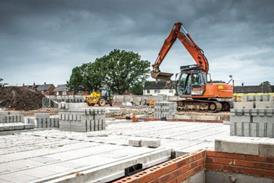



’Everybody is behind more homes being built in the UK, but it’s being sensible [about] how you build those, if you build them in areas of risk of flood,’ says deputy head
Biba has urged policymakers to adopt what it described as “sensible politics” around flood risk, warning that prevention and resilience measures were not being delivered quickly enough to keep pace with rising exposure and the government’s housebuilding ambitions.
Speaking to Insurance Times at the trade body’s manifesto press briefing, Graeme Trudgill, Biba chief executive, highlighted that while progress had been made on flood defence spending, wider prevention efforts were lagging, creating long-term risks for insurability and affordability in the UK general insurance market.
Trudgill said Biba had previously called for increased government investment in flood defences and acknowledged that this had been delivered.
“We had in the last manifesto about the government increasing their flood defence spend. They have done that. Really good work,” he said.
However, Shaune Worral, deputy head of general insurance, stressed that this was only one part of a much broader picture, particularly as flood risk continued to grow.
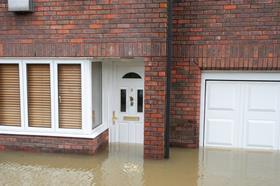
He pointed to Environment Agency figures showing that 6.3 million properties were already at risk of flooding.
“So much of our calls continue to be around sensible politics,” Worral said.
“Everybody is behind more homes being built in the UK, but it’s being sensible [about] how you build those, if you build them in areas of risk of flood.”
Biba’s manifesto reiterated concerns that planning and enforcement were failing to keep pace with climate risk, especially given the government’s target to build 1.5 million new homes.
Research cited by the trade body showed that 110,000 homes had been built in the highest flood risk zones over the past decade, a trend that could see more than 100,000 additional homes exposed if not addressed.
Flood Re
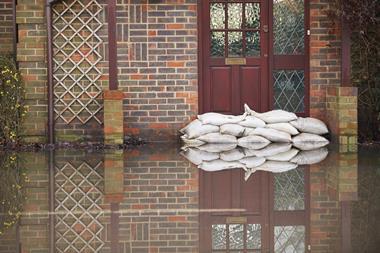
Worrall warned that existing mitigation schemes were being stretched. He said Flood Re was always intended to be a temporary measure to support affordability while flood resilience improved across the housing stock.
Read: Install simple flood defences to save the UK £740m – Flood Re
Read: ‘Increasingly unpredictable nature of flooding’ requires updated sector responses
Explore more risk management-related stories here, or discover more news here
“The idea was always that Flood Re would provide that levelling out piece,” he said, adding that this was meant to run alongside property flood resilience and more resilient building standards.
“But if those don’t happen fast enough, and it’s fair to say at the moment that [it] isn’t happening fast enough, then what happens in 2039?
“What will be the access to flood insurance? What will be the affordability of flood insurance?”
Uninsurable
The briefing also underlined concerns around new builds in flood-prone areas becoming uninsurable.
David Sparkes, regulation director at Biba, said insurers faced difficult decisions when underwriting properties exposed to flood risk.
“The worst case scenario is you’re building these properties and insurers might say the cover is unaffordable, or actually, we don’t want to offer flood cover at all,” he said.
Biba also pointed to rising pressure on access to cover. Worrall noted that the flood insurance directory run with the ABI and Flood Re was now receiving up to 1,000 enquiries a month, a figure that had increased steadily since launch. While awareness played a role, he said it could also indicate growing difficulty in securing flood cover.
It added that flooding remained the biggest aggregation risk for insurers and warned that without faster action, the gap between flood risk and insurability would continue to widen for both households and businesses.


























No comments yet