



















UK general insurance (UKGI) has placed increasing emphasis on inclusive and ethical cultures – but is the industry effectively distinguishing intentional diversity and inclusion (D&I) from performative action, and where is further progress needed?
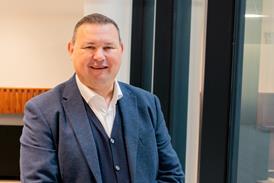
Ajay Mistry, co-chair, The Insurance Cultural Awareness Network
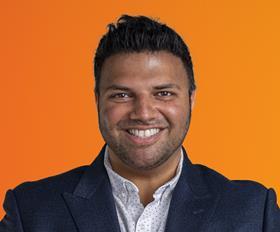
The UK insurance sector is getting better at recognising the difference between intentional diversity and inclusion work and activity that is more performative, but I do not think we can say that distinction is fully embedded yet.
The positive shift is that more firms now understand that inclusion cannot simply be about statements, awareness days or visible campaigns.
Those things can play a role, but only when they are backed up by practical action that changes people’s experience at work. That means looking seriously at recruitment, progression, leadership accountability, data, culture, mentoring, sponsorship and access to opportunity.
Where the sector still needs to improve is in moving from good intent to measurable outcomes.
We need to be more honest about where the gaps remain, particularly around senior representation, socioeconomic background, ethnicity, gender, disability, regional access and intersectionality.
It is not enough to attract diverse talent into insurance.
The real test is whether people stay, progress, feel heard and can see a future in the sector.
Inclusion also needs to become part of business strategy, not something left solely to HR teams, employee networks or volunteers. The firms making the most progress are those prepared to listen, measure, invest and be held accountable over the long term.
Performative action often focuses on how an organisation looks externally. Intentional inclusion focuses on what actually changes internally.
That is the distinction UKGI needs to keep pushing.
Jo Browning, chief people officer, Markel International
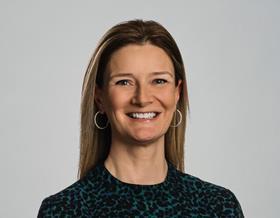
UKGI has made meaningful progress in embedding diversity and inclusion as a strategic priority, but the distinction between intentional action and performative activity ultimately comes down to consistency, accountability and impact.
As an industry, we have moved beyond seeing D&I as a series of standalone initiatives. It is now a central thread through culture, talent strategy and long-term business performance.
There is also greater scrutiny. Employees, clients and wider stakeholders are quicker to recognise when activity is superficial, which has created a healthy pressure to demonstrate substance over signalling.
Where UKGI is strongest is in the foundations built over the past decade. Legislative change, social movements and industry-wide collaboration have helped bring D&I into the boardroom and driven tangible progress.
However, that progress can create a false sense of completion. In reality, the work is ongoing, and arguably more nuanced than before.
The next phase is about how organisations translate that progress into targeted, meaningful action.
Increasingly, that means taking a more data-led approach to understand the different experiences and needs within a workforce, rather than assuming a one-size-fits-all solution.
At Markel, for example, we have introduced initiatives such our ‘count me in’ data collection campaign to build a clearer picture of our people.
That insight helps us identify where barriers exist and tailor policies, benefits and support accordingly, grounded in trust and transparency.
Ultimately, intentional D&I is about embedding that insight into everyday decision-making, ensuring action is informed, relevant and felt across the organisation.
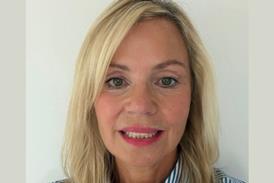
Caroline Taylor, chief insurance and delegated authority officer, Crux Underwriting
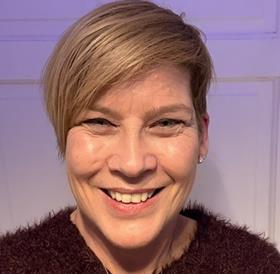
With thousands of entry level applications competing for graduate and apprenticeships schemes, there is a question to be raised of whether the industry is selecting talent fairly and without unconscious bias.
My concern is whether screening methods are unintentionally filtering out candidates who could succeed, but do not fit traditional expectations.
Many firms say that they want to recruit diverse talent, but entry level recruitment often rewards people who already understand the system.
For those from lower socio-economic backgrounds, it can be more difficult to compete in the initial screenings in comparison to those in socio-economic backgrounds who have access to resources and have been armed with the tools to know what companies are looking for in potential candidates.
This is especially the case for those who are on the neurodivergent spectrum. While online applications, psychometric tests, timed assessments, video interviews and graduate assessment days can appear objective, they may inadvertently advantage candidates with traditional thinking, social confidence, coaching, strong networks, university career support or family contacts in professional industries.
The question is what are we really screening for and are we testing for potential curiosity, resilience and problem solving? Or are we screening for polished speed, social confidence and familiarity with corporate norms?
If the industry is serious about intentional inclusion, as opposed to simply publishing statements about commitments to inclusion, then we must ensure our recruitment processes examine not only who we hire, but who it removes from the process before they’ve ever been seen.
Julie Adams-Moore, chief financial officer, Dual UK

The UK general insurance market is moving in the right direction on diversity and inclusion but, from my perspective, it still sits somewhere between well-intentioned effort and fully embedded impact.
What’s encouraging is the shift beyond statements and awareness.
There’s now a stronger focus on data, targets and practical action, whether that’s improving hiring pipelines, investing in flexible working or developing more inclusive policies around life events such as parental leave.
It feels more deliberate and increasingly embedded in how businesses operate, rather than sitting on the sidelines.
The emergence of social mobility employee networks is a positive sign that the conversation has broadened beyond traditional diversity lenses.
That’s particularly important in insurance, where access to the industry has historically been narrow. The increased visibility of internal networks and structured development initiatives also suggests a move toward creating real pathways, not just raising awareness.
At Dual, for example, our partnership with London and International Insurance Brokers’ Association (Liiba) and Upreach, supporting students from disadvantaged backgrounds into the insurance market, is one way we’re contributing to that shift.
That said, there is still a clear gap between activity and outcome.
Representation is improving, but progress at senior levels remains slower and that’s where credibility is tested. Employees can see the difference between initiatives that exist and those that genuinely change opportunity and culture.
For me, the next phase is about impact – promotion, leadership diversity, retention and lived experience becoming the true measures of success.
In short, the UK general insurance market is evolving its approach to diversity and inclusion, but it hasn’t fully proven the impact yet.
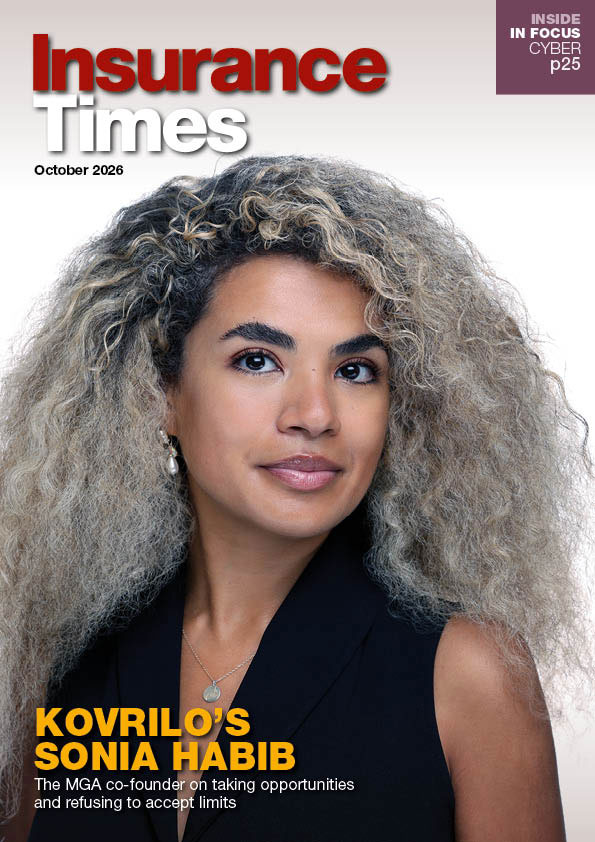
Sonia Habib, co-chief executive and commercial director, Kovrilo
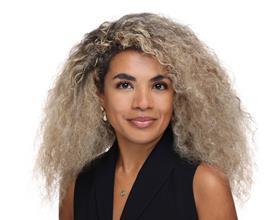
The UK sector is getting better at telling meaningful inclusion from performative action, though the gap between intent and impact is wide.
Progress has come in measurement. More firms have moved past awareness campaigns towards tracking outcomes and talent and progression initiatives are creating the accountability that’s needed.
With the FCA and PRA stepping back from their proposed diversity rules last year, the onus is now on firms choosing to act for themselves.
Performative action persists wherever diversity is treated as a reporting exercise.
Entry-level representation has improved, but senior progression hasn’t kept pace. Back in 2023, just 3% of senior UK insurance positions were held by people from ethnic minority backgrounds.
That it still gets quoted shows how little has shifted and the picture for women and those from lower socio-economic backgrounds is no better.
This is where ‘silent opportunities’ come in – the sponsorship and career-defining projects that go to people who resemble those in charge. These rarely feature in diversity reports, but they define careers more than any formal programme.
Being honest about who gets access to these is the only way the gap will close.
As a black British woman of Tunisian heritage who has built a business and mentors people from underrepresented backgrounds, I see talent the industry’s traditional routes miss. The task now is making sure this talent progresses once through the door.
For me, the sector should be judged on one question – can people from every background build and lead a career in insurance here? Answering yes, consistently and across seniority, is what genuine inclusion should look like.
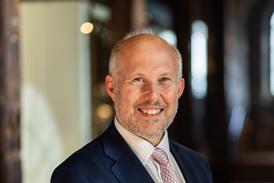
Geoff Godwin, chief operations officer, HDI UK & Ireland
I believe the market is making progress, but there is still more to do.
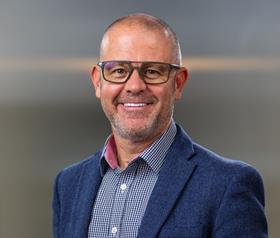
The difference lies in whether D&I is treated as a business-critical discipline or as a reputational exercise. Intentional action is measurable, embedded and sustained.
At HDI, we see D&I not as a standalone agenda, but as part of how we attract talent, develop leaders, build capability and create a workplace where people can perform at their best.
Inclusion must become part of everyday leadership, with managers equipped to create fair, open and psychologically safe environments.
I genuinely believe the sector has moved beyond asking whether D&I matters, but we still need more proof points through action and outcomes to show that this is driving meaningful, lasting change.
That is where strong sponsorship from senior leaders becomes so important.
The next step for the sector is to show more clearly how inclusion makes a difference in practice. The challenge is to demonstrate, through action and outcomes, how it strengthens leadership, improves decision-making and helps create better-performing businesses.
Just as importantly, it is about creating workplaces where people feel valued, heard and able to contribute fully.
The organisations that will make the greatest progress are those willing to lead with purpose, measure what matters and keep challenging the behaviours and processes that can still hold people back.

She joined the title after completing a Master's degree in Journalism in 2025, having previously graduated with a degree in English Literature.View full Profile






















No comments yet